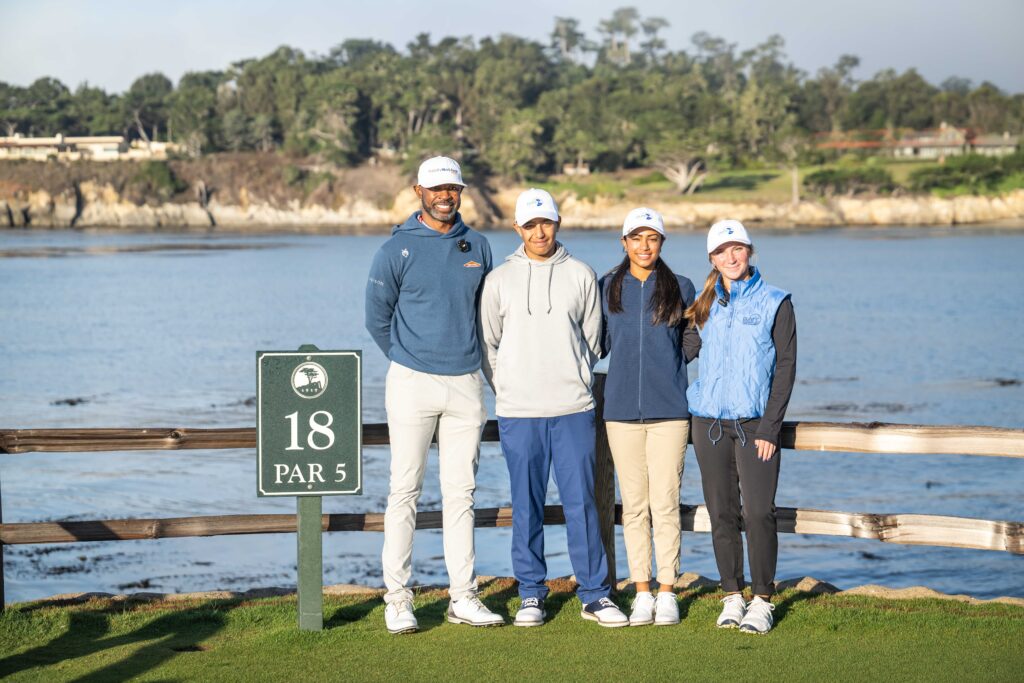
Tournament season brings a familiar flutter of nerves, not just for the young golfers teeing it up, but for the parents watching from behind the ropes. It’s natural to want your child to play well. But the scorecard shouldn’t be the only measure of success.
First Tee has always believed that golf is the vehicle, not the destination. Real growth lives in the way kids react to disappointment, bounce back after obstacles and treat their follow competitors. Here’s how parents can help their junior golfer step onto the course with the right mindset.
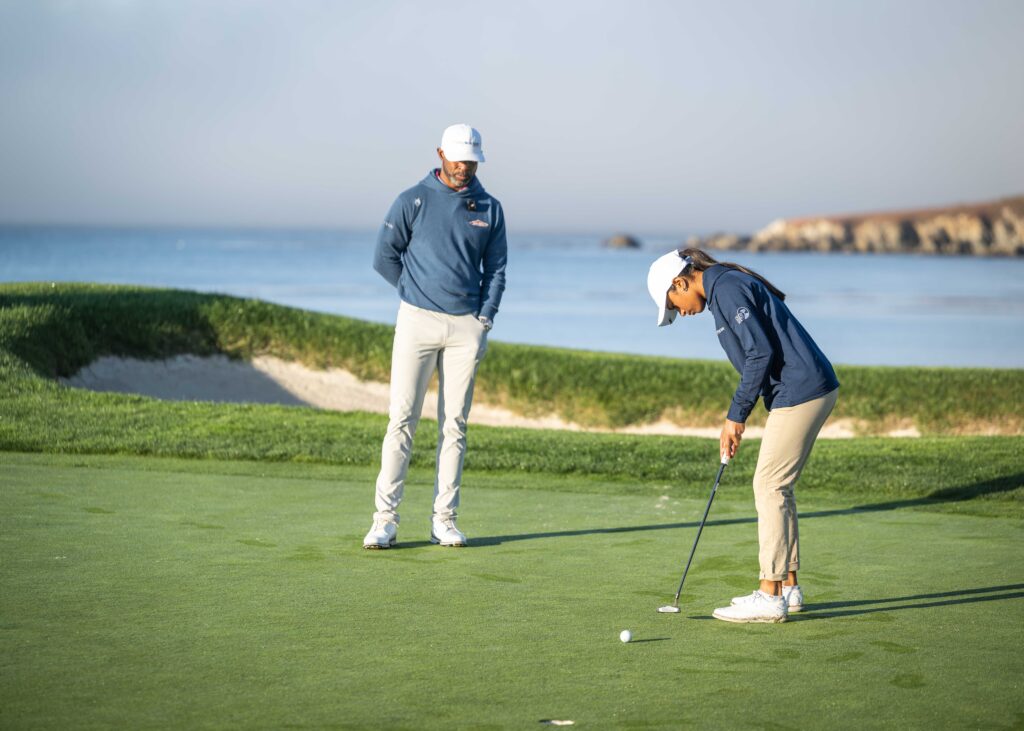
Normalize nerves, don’t try to erase them
Nervous energy before a big round is not a problem to be solved. It’s a sign that something matters to your child, and that’s a good thing. Instead of trying to talk them out of feeling nervous, help them name it with statements like: “It makes sense that you feel that way. This is important to you.”
Using the right language as the competition approaches can also be helpful. Avoid giving the tournament too much power by adding qualifiers like “big” and “important” when discussing it with your child. Most accomplished athletes would agree that one game or tournament won’t make or break a career.
On the practical side, logistics can take over tournament day: Is the bag packed? What’s the tee time? Try discussing these things throughout the week so it doesn’t feel like you’re cramming the night before.
Try zooming out too. Ask your child what they’re excited to experience – from seeing friends to trying a new shot or playing a new course. Not only can this help relieve pressure, but it’s also an important reminder that the score isn’t the only thing that counts.
Process over outcome
Junior golfers pick up on far more than instruction; they absorb how the adults around them respond to pressure and setbacks.
Golf is a difficult sport, and the scorecard isn’t always a reflection or the effort and personal growth that took place during a round. Instead of focusing on numbers, commend your child for staying calm during a tough moment or treating their playing partner with respect. These are the moments worth celebrating and naming them out loud teaches your child that a good round and a good score aren’t always the same thing.
If your child wants to talk after their round, listen first before offering perspective. If they don’t, that’s OK too. First Tee encourages teens to take ownership over their goals – maybe that means talking them through or processing internally.
Years from now, your child likely won’t remember every shot from a junior tournament. What tends to stick are the feelings: the excitement, the camaraderie and the pride of overcoming tough moments. Celebrating those feelings, before, during and after the round, is one of the most valuable things a parent can offer on tournament day.