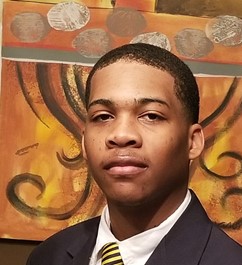
With a perfect 4.0 GPA and student government experience under his belt, BJ Little wants to change the world. He aims to become a criminal defense attorney, U.S. Senator and eventually, President of the United States.
But first, BJ is focused on serving his community. Starting with his high school.
When BJ entered his freshman year at Cristo Rey Atlanta Jesuit High School there was no golf team. BJ wasn’t going to sit idly by, he was determined to form a team.
“In my freshman year, the very first thing I did was ask for the school to start a golf team,” says BJ. “The school went through all of the necessary preparations for the golf team to start, but then Covid happened.”
For BJ, and most of the country, school was now virtual for the next year and half, halting all chances for the team.
But BJ says the pandemic did not discourage him from achieving his goal.
“Going into my junior year I went in with the same mindset I had freshman year. I asked the school for a golf team, and they delivered.”
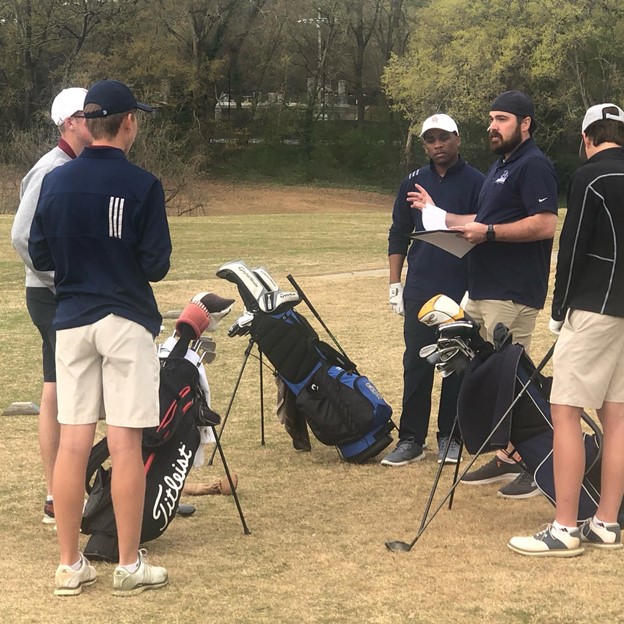
BJ helped by recruiting players and finding a practice facility. Leveraging his go-to team, a concept taught and encouraged at First Tee, he smartly enlisted help from his coach and director of golf operations at First Tee – Metro Atlanta Jeff Dunovant. They worked out a plan that the school could use the chapter’s facilities while BJ secured players for the team.
In 2021, the team officially launched. But there was still much work to do.
“BJ was the only player on the team who was not a beginner, so the practices would consist of BJ and I teaching the new players,” says Dunovant.
And for BJ, that’s what it’s what this is all about.
“In all honesty I just want people to have fun. The State and District titles will come with time. But ensuring students are happy and want to learn about golf is the most important thing to me. I hope that when I graduate Cristo Rey, students will still be playing golf. I want that to be a piece of my legacy to the school.”
BJ is one of 78 First Tee participants teeing off this Friday at the PURE Insurance Championship. The tournament pairs First Tee teens with PGA TOUR Champions players providing life-changing mentoring opportunities for the teens. This experience opens the participants’ eyes to the possibilities in golf and beyond as they are contemplating their future education and careers.
PONTE VEDRA BEACH, FL. (September 12, 2022) – First Tee participants from Minnesota, Massachusetts, San Francisco and Orange County, Calif. have each been awarded scholarships and selection in to the First Tee College Scholarship Program. The teens were selected following their participation in the First Tee Leadership Series and Summit in partnership with PGA TOUR Superstore based on their intentional and innovative commitment to personal growth and development as leaders throughout the course of the program.
First Tee and PGA TOUR Superstore congratulate:
Gabriella Mercado from First Tee – Orange County: Gabriella is a 16-year-old high school junior from Placentia, Calif. She’s been involved with First Tee for seven years. She holds a 4.0 GPA and has aspirations of playing college golf and then becoming a sports lawyer. Gabriella enjoys community service and in her first two years of high school accumulated more than 225 hours.
Jaylyn Remolona from First Tee – San Francisco: Jaylynis a 15-year-old high school junior from San Francisco. Jaylyn attends Mercy High School in Burlingame has been involved with First Tee for seven years. She holds a 3.65 and outside of school her two hobbies are golf and singing.
Kyzar Joshi from First Tee — Massachusetts: Kyzar is 17-year-old high school senior at Ashland High School in Ashland, Mass.He has been involved with First Tee for more than 10 years. He holds a 4.12 GPA and his career aspirations include playing college golf and majoring in finance or economics in college. Kyzar serves as his class treasurer, and helped lead the Ashland High School golf team to the state section tournament. Kyzar is in the process of completing the ACE level of the First Tee Curriculum.
Saloni Somia from First Tee – Minnesota: Saloni, from Plymouth, Minn.,is a17-year-old high school senior at Minnetonka High School. She has been involved with First Tee for four years. She holds a 4.0 GPA and serves as the President of her school’s National Honor Society, Captain of the Minnetonka Girls Golf Team, Founder and President of Everyone Eats (an organization that provides homeless youth allergy friendly foods) and co-founded a teen-led YouTube channel that gives good allergy advice to teens.
As First Tee Scholars, the teens will receive support throughout their post-graduate careers. The need and merit-based program provides scholarships up to $5,000 per year, renewable for up to four years of college admission. In addition, each scholar is paired with a dedicated, trained adult mentor who will help encourage and guide them throughout the college experience, including virtual and in person meetups. The program also provides professional development workshops held in person throughout the year.
“We are very proud of these four deserving teens from across the country,” said Greg McLaughlin, First Tee CEO. “They each showed dedication and impressive character traits throughout the Leadership Series and Summit. They are leaders in their schools, at home and at their First Tee chapters. Through the First Tee College Scholarship Program, we will continue to support them in their personal and professional development and empower them to hone their leadership skills as they pursue their careers. We’re thankful for partners like PGA TOUR Superstore who support these game changing initiatives.”
The four teens were selected from the more than 250 participants who attended the Leadership Series and Summit. Boasting an average GPA of 3.9 the teens meet the College Scholarship Program eligibility requirements which are based on academic performance, length and involvement in First Tee programs, financial need and commitment to volunteerism.
First Tee College Scholarship Program is made possible by donors and corporate partners who stand behind the program and First Tee’s mission. For more than a decade, PGA TOUR Superstore and PGA TOUR Superstore Chairman Arthur M. Blank have championed First Tee’s mission through charitable and in-kind donations across the country. In September 2020, PGA TOUR Superstore announced a new grant that will help First Tee reach more youth across the U.S. and strengthen its curriculum for teenage participants, including the development of the Leadership Series and Summit.
“We are committed to being a positive influence in our communities and truly believe in the positive impact sports has in developing and supporting youth,” said Dick Sullivan, President & CEO, PGA TOUR Superstore. “We are proud to partner with the First Tee to empower young people with values-based leadership skills that will help them succeed throughout the course of their life. Congratulations Gabriella, Jaylyn, Kyzar and Saloni.”
Photos and broll of the Scholars is available here.
First Tee Chapters provide inclusive golf and character building programs for all kids and teens
By Megan Hart, First Tee HQ
About a quarter of Americans have a disability, according to the Centers for Disease Control and Prevention, but as many organizations have redoubled their focus on diversity, equity and inclusion in recent years, this group can often go overlooked in discussions on the topic.
For 25 years, First Tee has shown up every day, determined to ensure that every kid and teen feel welcome and included. First Tee – Greater Cincinnati & Northern Kentucky is just one example of our Chapters who promote inclusive programs.
The Chapter partners with organizations like Els for Autism, Special Olympics of Hamilton County and SCRATCHgolf to serve players of all abilities and skill levels, proving golf is for everyone.
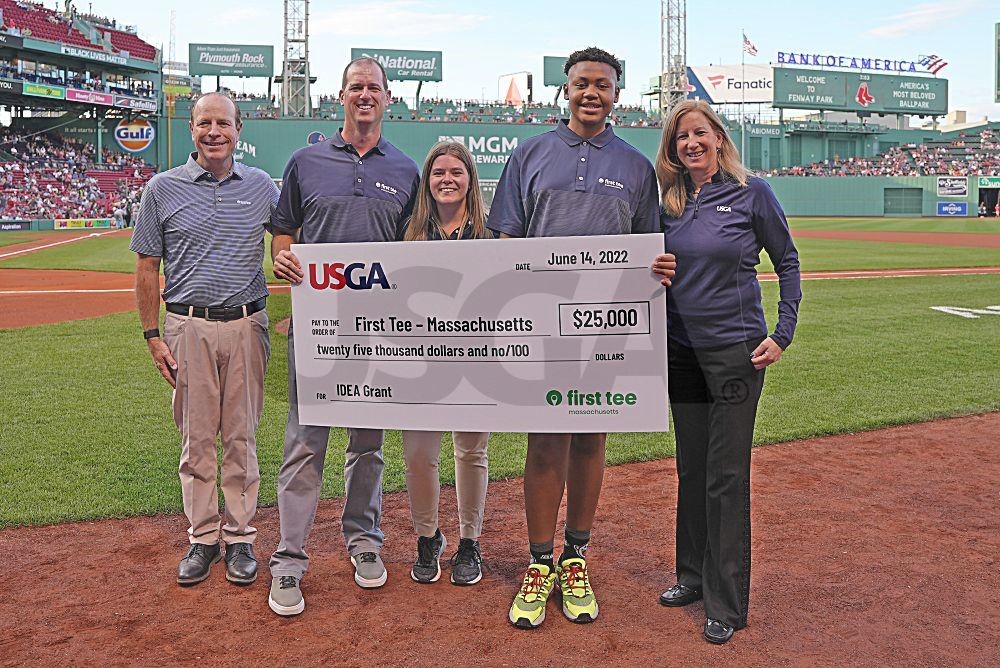
Thanks in part to the United States Golf Association’s IDEA Grant, the chapter has been able to expand its opportunities for all kids. The IDEA Grant was created to promote inclusion, diversity, equity and accessibility efforts at the local golf level. This grant program awarded $200,000 from USGA to First Tee Chapters across the country in 2021.
“USGA’s support is a game changer for the youth in the communities that we serve,” said Greg McLaughlin, First Tee CEO. “With these grants, our chapters are opening the door to even more youth, especially in underserved and underrepresented communities, to explore the possibilities in golf and beyond as they build their character and life lessons through the game.”
The USGA’s efforts to make golf more inclusive go far beyond its work with First Tee. The association will host the inaugural U.S. Adaptive Open at Pinehurst this July, which will feature the globe’s top golfers with disabilities, including those with limb impairments, intellectual and neurological impairments and seated golfers. Among the field is First Tee — Tampa Bay alum Joey Hill and First Tee — Triangle alum Zachary Duncan!
‘You just have to love the kids and find out what they need’
First Tee – Greater Cincinnati & Northern Kentucky is focused on reaching children from all backgrounds and abilities, and with the help of the USGA and other organizations, they have found creative ways to become more accessible.
The Chapter will bring back programming for kids with autism this fall after it was put on hold by the COVID-19 pandemic. Staff first trained with Els for Autism in 2018.
Greater Cincinnati & Northern Kentucky also partners with Special Olympics of Hamilton County to introduce participants to golf. The program attracted about 20 kids per year before the pandemic, and it’ll return this summer for a weekly series.
Three kids have transitioned from the Chapter’s Special Olympics program to its golf course program, and Executive Director Alicia Yund recalls seeing a Special Olympics participant return for a community field day hosted by the chapter.
“It was cool to see him thriving and see how all the other kids were in awe of him and his ability to hit the ball,” she said. “It’s great when all kids are included.”
Wendy Mockabee manages the School Program at First Tee – Greater Cincinnati & Northern Kentucky, which integrates First Tee’s life skills program into elementary and middle schools in the community. One of the participating schools exclusively serves special needs students, and it’s been inspiring to see how teachers have adapted First Tee programming to meet the needs of the kids. For example, teachers attached a leaf blower to a golf club so children with mobility challenges could instead push a button to move the ball.
In addition, the chapter hosts programming for kids with life-threatening and chronic health challenges, including SCRATCHgolf. In partnership with Cincinnati Children’s Heart Institute and the Congenital Heart Alliance of Cincinnati, the chapter recently held a multiday camp for kids with heart defects, who are then provided scholarships for future programming.
“We’ve been very focused on making sure all kids have a safe space, an environment where we’re prepared to make any modifications necessary to make them feel welcome and part of First Tee community,” Yund said. “Weaving accessibility and inclusion into programming — outside of finding more volunteers — it’s not a daunting or taxing effort. You just need to love the kids and find out what they need.”
A number of First Tee chapters within the network offer youth development and programming for participants with disabilities. Contact your local chapter to learn more.
Sixteen-year-old First Tee – Lake County (Hammond, Ind.) participant, Steven Outlaw, was notified during the 2001 First Tee Network Summit, the annual gathering of those within the First Tee network, that he was going to have to make his speech earlier than originally scheduled. The events to follow happened in a way that only fate decides.
Steven describes it as “being in the right place at the right time.” Using one of the first skills instilled into First Tee participants, as well as taught within his own household, on how to properly introduce yourself to others, Steven walked right up to one of the other speakers of the evening, former president of Georgetown College, Dr. William Crouch, and shook his hand. Steven’s demeanor stood out to Dr. Crouch and gave him quite the idea.
Following Steven’s speech, Dr. Crouch scrapped his own prepared comments and surprised Steven with a full scholarship to Georgetown College and news that he planned to provide a full scholarship to First Tee participants every year following. This full-ride scholarship would alleviate the financial burden of furthering Steven’s education.
Bob Krause, former vice president of institutional advancement at Kansas State University, followed suit with Dr. Crouch’s pledge. The First Tee Scholars Program was born and set to begin by 2003 with the inaugural class of Scholars, many of whom Steven is still in touch with today.
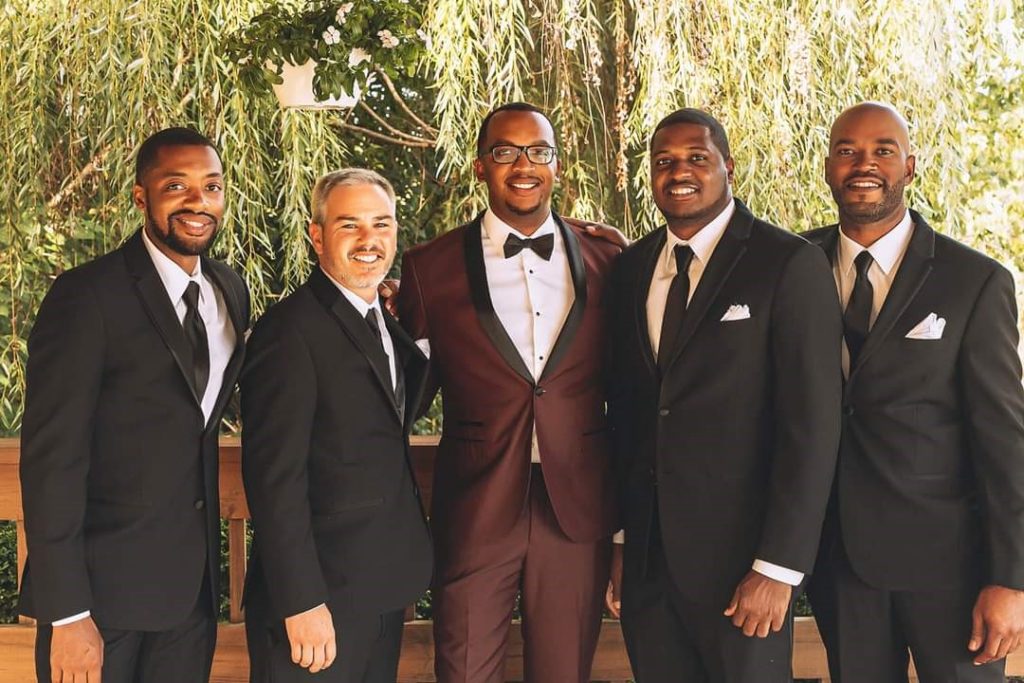
L to R: Christopher Hawkins, First Tee – Metro Atlanta alumnus and First Tee Scholar Class of 2003; Adam Ruegg, Troon Golf; Steven Outlaw, First Tee – Lake County alumnus and inaugural First Tee Scholar; Rod Jackson, First Tee – Metro Atlanta alumnus; Brandon White, First Tee – Lake County alumnus and current Program Director First Tee – Lake County.
As the inaugural First Tee Scholar, Steven graduated from Georgetown College with a degree in political science. After college, he enrolled in the PGA, PGM Accelerated Program. After completing two levels of the program, he secured an internship with Troon Golf, a leading golf management company. He has since worked with Troon Golf for nearly 15 years, starting in Arizona and traveling overseas to work in the Middle East, and in Malaysia managing The Els Club Teluk Datai (rated #83 in the world by Golf Digest in 2016).
More recently, Steven serves as the PGA Director of Golf at Wickenburg Ranch Golf & Social Club, managed by Troon Golf. Steven has been a PGA Class A Professional for more than 10 years and currently serves on the Southwest Section PGA Board of Directors and is very active with Troon’s D&I Council. Going forward, Steven aspires to ascend the ranks in the PGA of America, with a passion specifically around diversity, equity and inclusion and positive change within the game of golf.
Though Steven had numerous amazing opportunities during his time as a First Tee participant, he now prides himself in exploring what he can do for First Tee as an adult. He works closely with First Tee – Lake County, often supplying the chapter with donations.
“These opportunities would not have been possible without First Tee and the core values instilled in me such as perseverance and confidence. Much of what I learned during my time with First Tee I use now to strengthen and empower my team. I am forever grateful and honored to be part of such a great organization. I look forward to the future of First Tee and the path they will pave for the next generation.”
Eleven years after Steven’s speech, the First Tee Scholars Program continues to thrive. It has since received a face-lift following Greg McLaughlin being named First Tee CEO in 2019.
Relaunching officially in 2020, President George W. Bush, honorary First Tee chair, congratulated the first class of the revamped program. First Tee College Scholarship Program now extends its impact to alumni beyond financial support, providing personal and professional development throughout their post-graduate careers.
Each of the Scholars is paired with a dedicated, trained adult mentor who helps encourage and guide them throughout the college experience, including virtual and in-person meetups. The program also provides professional development workshops held in-person throughout the year, and up to $5,000 per year toward tuition.
“First Tee aims to inspire and empower every young person in the program to set goals and begin pursuing them,” said McLaughlin. “The First Tee College Scholarship Program is intended to motivate young people to stay in the program and support alumni as they matriculate through the college.”
In recognition of First Tee’s 25th anniversary, the Class of 2022 includes 25 First Tee Scholars. This time, Steven Outlaw has turned the tables, joining as a mentor to one of the Scholars.
“I was extremely fortunate to be surrounded by great professionals as I progressed through my time with the First Tee. These individuals helped me grow not only in golf, but personally and professionally. I consider myself lucky to be able to return the favor to the next generation!”
We believe in helping youth succeed – on the golf course and in life. Learn more about our programs and how you can get involved.
What happens when you provide free programs? The results are game-changing.
With support from Southern Hills Country Club, host of this week’s PGA Championship, First Tee – Tulsa provides free character-building programs to everyone who walks through their door. JP Ray is one of many participants impacted by the program.
Kylie Porter (right) alongside fellow First Tee – Canton participant, Ava Kemp.
If you’ve ever met Kylie Porter from First Tee – Canton you would never know all that she has overcome. Kylie has been a fighter since the day she was born. As a newborn, Kylie was transported to the Akron Children’s Hospital NICU as a 4-pound twin. Her parents had a priest called to the hospital to give Kylie her last rights, as they were told she wouldn’t survive. And if by some miracle she was to survive, she would never walk and would experience cognitive delays.
Kylie beat the odds.
Despite the doctor’s diagnosis, she has become a remarkable, intelligent young lady who is grateful to play her favorite sport…golf. Kylie has been a part of First Tee – Canton for more than seven years, where she is known for her amazing smile, positive attitude and hard work. Her parents truly thought they would never see the day and credit First Tee for not only teaching Kylie how to play the game of golf but providing a space where she could develop her character and values such as honesty, respect and acceptance.
“First Tee is more than just learning how to golf. At First Tee – Canton, I learned how important core values are to use everywhere. Not just in the sport of golf, but also in utilizing the values to help guide me in my everyday life. My favorite value is perseverance. In order to pursue your goals in life, you have to persevere and work hard towards your goals.”
Kylie has certainly made her mark at First Tee – Canton.
In 2019, the chapter honored Kylie with their first ever “Bill Hayes Perseverance Award.” In an effort to honor Mr. Hayes, a former volunteer who continued to serve despite his health issues, the award was created to recognize participants that also persevere in life. They believed that Kylie was a perfect fit to receive the first award.
Kylie recognizes how blessed she is and shares her story to advocate for other kids dealing with challenges in their life. Now 14 years old, Kylie has been diagnosed with Stickler syndrome, which contributes to severe hearing loss. However, she doesn’t let this stop her. Kylie uses her platform as a means to motivate young people and encourage them to find confidence despite their hearing loss. She uses social media to spread this message and share her story. Because of her efforts, Kylie was recently honored as a HearStrong Champion through the HearStrong Foundation.
She wants to inspire kids and teens with hearing loss and one day be an audiologist to help others like herself.
Kylie, you inspire us to learn and grow from our challenges.
In this season of thankfulness, we are grateful for our donors and supporters who help lift up our mission so we can reach young people like Kylie. This holiday season, when you donate to a First Tee chapter, they’re eligible for matching dollars, up to $1 for every $2 you donate, thanks to a matching grant program from Charles R. Schwab. Find a chapter to donate today and join our mission to empower young people to build their strength of character through golf.
PONTE VEDRA, Fla. (June 2, 2021) – Twelve high school graduates have been selected to the First Tee College Scholarship Program based on academic performance, length and involvement in First Tee programs, financial need and commitment to volunteerism. This class of scholars includes aspiring engineers, accountants, teachers and environmental activists, all of whom will be attending stand out colleges and universities, including Dartmouth College, University of Pennsylvania, Boston College, Indiana University and other top institutions across the country.
Selected from a national pool of candidates, the Scholars represent diverse backgrounds from communities across the First Tee network. The class is comprised of eight females and four males and 59% are ethnically diverse. The Scholars’ average GPA is 4.19 on a 4.0 scale and hold an average of 1,422 out of 1,600 on SAT and 31 out of 36 on ACT. Five of the Scholars will play on their college’s golf team.
“I offer congratulations and a warm welcome to our new class of First Tee College Scholars,” said Greg McLaughlin, CEO of First Tee. “I am proud to continue First Tee’s support of these students at such an important time in their lives – through their matriculation and beyond. These outstanding young leaders remind us how bright the future is for them and for the industries and communities they will eventually serve. We are appreciative of donors to the First Tee College Scholarship Program who make this program possible.”
First Tee College Scholarship Program extends its impact to alumni by providing support throughout their post-graduate career. Each of the scholars are paired with a dedicated, trained adult mentor who will help encourage and guide them throughout the college experience, including virtual and in-person meetups. The program also provides professional development workshops held in-person throughout the year.
Applications were received from participants at 44 chapters in 28 states across the nation. Following an online application process, finalists were selected by a committee for one-on-one interviews. In addition to academic performance, applicants were considered based on financial need, chapter involvement, volunteerism and other criteria.
First Tee College Scholarship Program is made possible by donors and corporate partners who stand behind the program and First Tee’s mission, including Astros Golf Foundation, Peter A. Bonanni Scholarship Fund, Chevron Corporation, A. James & Alice B. Clark Foundation, Timothy W. Finchem Scholarship Fund, Paul and Ruth Flowers, Morrell Studios, Charles Schwab, TruGreen, Edward and Lisa Vaughan and Delores Barr Weaver Legacy Fund.
First Tee’s College Scholarship Class of 2021 includes:
(Listed alphabetically; all GPAs are on a 4.0 scale)Claire Alford, First Tee — Central Coast
Santa Clara University
Graduating with a 4.56 GPA Claire has received many honors and accolades for her hard work and plans to major in Public Health and Biology with a goal of attending medical school.
Marion Caldwell, First Tee — Four Corners
Dartmouth University
Pursuing a future in teaching, Marion is passionate about passing down the knowledge she has obtained throughout her life to the children within her community and will major in both English and History.
Natalie Cao, First Tee — Greater Houston
University of Pennsylvania
Natalie strives for greatness in both the classroom and on the course and will play on the women’s golf team while majoring in economics.
Molly Castle, First Tee — Tennessee
University of Tennessee Knoxville
As a First Tee — Tennessee participant for seven years, Molly has used that experience and her love of golf for helping others within her community. She plans to major in agriculture sciences.
Malisone Chanthapanya, First Tee — Fort Worth
Texas Wesleyan University
With a cumulative 4.0 GPA combined with her success on the course, Malisone plans to continue her golf career at Texas Wesleyan University while double majoring in computer science and accounting.
Quincy Crawford, First Tee — Greater Washington, D.C.
University of Cincinnati
Quincy has plans to study Aerospace Engineering in pursuit of his goal to create fuel-efficient aircrafts, lessoning the overall carbon footprint and possibly slow the rate of climate change.
Rebecca Jones, First Tee — Indiana
Rose-Hulman Institute of Technology
Rebecca will be studying environmental engineering and plans to use her degree to focus on land remediation and implementing new systems to reduce pollution.
Josh Lendach, First Tee — Triangle
University of Cincinnati
Josh has earned the privilege to play golf at the University of Cincinnati where he will pursue his passions for golf and environmental/atmospheric sciences.
Meghna Mazumdar, First Tee — Connecticut
Boston College
Scoring a 1430 on her SATs while achieving a 4.12 cumulative GPA, Meghna will study Business Economics where she will pursue her passion for investing in the stock market.
Benjamin Nganga, First Tee — Tennessee
University of Indiana
A first-generation college student, Benjamin’s 4.46 GPA has earned him the prestigious Fry Scholarship to attend the University of Indiana Kelly Business School where he will double major in Finance and Computer Science.
Kaleb Palm, First Tee — Central Florida
Florida Atlantic University
Graduating with 4.69 GPA, Kaleb will major in marketing and business while playing on the men’s golf team at Florida Atlantic University.
Borina Sutikto, First Tee — Silicon Valley
Santa Clara University
A nine-year participant at First Tee — Silicon Valley, Borina is graduating with a 4.25 GPA and plans to study Accounting & Information Systems while playing on the women’s golf team.
***
About PGA TOUR First Tee Foundation (“First Tee”)
First Tee (www.firsttee.org) is a 501(c)(3) nonprofit youth development organization that is supported by the PGA TOUR. Its mission is to impact the lives of young people by providing educational programs that build character and instill life-enhancing values through the game of golf. Since its inception in 1997, First Tee has expanded to reach more than 3.6 million young people annually through its chapter network, in schools and at youth centers. Headquartered in Ponte Vedra Beach, Florida, USA, programs are delivered in all 50 United States and select international locations. President George W. Bush serves as Honorary Chair.
Contacts:
Sara Henika
First Tee
[email protected]
Dana Gordon
First Tee/BZA PR
[email protected]
By Sara Wright, PGA TOUR
Henry Mentzel was just seven years old when he was first introduced to First Tee. His parents had been searching for some basic golf lessons for their son and stumbled across First Tee — Greater Cincinnati and Northern Kentucky. Little did they know, this program would end up providing so much more. First Tee would be one of the most influential programs in young Henry’s life and would prove a catalyst for his personal growth throughout the years.
“I have been active in multiple sports throughout my childhood,” Henry explained. “I played soccer, basketball, baseball, just trying to figure out which I enjoyed the most. First Tee introduced golf in a way that allowed me to learn how to play the game, but also taught me life skills that I was able to apply across many areas of my young life. In the end, golf is the sport I enjoy the most.”
Henry is currently at the Eagle level, but it was during his time in the PAR level that he learned a valuable lesson on perseverance and how to succeed in golf by continuing through bad breaks and his own mistakes. This lesson also helped him in other aspects of his life.
“I applied the perseverance lesson in school, specifically, in Latin,” he said. “I struggled to understand the different parts of Latin grammar and the new vocabulary. My school required Latin, so I had to figure out how to persevere through three years of an unspoken language that did not make sense to me. I made a lot of vocabulary lists, agreed to get a tutor, and started staying after school for help nights. After applying myself, despite some not so great grades on assignments, I started making progress and now, in my third year, I have an A in the class.”
Not only do these lessons shape Henry’s life, but they have had a big part in shaping others’ lives, as well. Coached from early on by Tom and Melissa Briner, they not only helped him discover his love for the game of golf, but also gave Henry the opportunity to coach other young golfers at First Tee.
“Being able to introduce my friend Will Abel to the game of golf was very meaningful to me,” Henry reflected. “First Tee has given Will the opportunity to begin to learn the game of golf and me the opportunity to teach and play with him. I enjoy that we now both have another common interest that we enjoy doing together.”
This friendship between Will and Henry was one of the reasons he was recently awarded with the 2020 Heart of First Tee Award. This award given by First Tee — Greater Cincinnati and Northern Kentucky recognizes individuals who embody the “Heart” of the First Tee through giving of time, talent or treasure; by demonstrating and living one of First Tee values; or by going above and beyond to promote or further their missions.
“We are all living in extraordinary and trying times that have tested all of us in ways we couldn’t even imagine nine months ago,” Rosie Abel wrote in her nomination of Henry. “Despite these challenges, Henry – acting upon the values of the First Tee – found a way to make a difference in our son’s life. My son, Will, who has Down Syndrome, is not unlike most sixteen-year-olds — very outgoing, social, and full of energy. But the pandemic has proven to be particularly frustrating for him especially when Ohio shut down in March. His sense of isolation grew as the effects of the pandemic spread.”
“When First Tee classes resumed in the summer, Henry continued to be that go-to person for Will,” Rosie continued. “He supports Will at the Down Syndrome Association of Greater Cincinnati’s Buddy Walk and even invited Will to play a round of golf with him, knowing that Will was not as experienced as himself. Will is not the only recipient of Henry’s friendship. Many coaches and staff have witnessed his kindness and refreshing take on life, feeling joy in other’s successes. We suspect there are many other people who have been touched by Henry and consider him to be on their “go-to team.”
Henry currently caddies, is a member of HOSA (Health Occupations Students of America) and Books For Kids (a club where students write and illustrate a book imagined patients at Cincinnati Children’s Hospital) he also regularly volunteers with his family at a soup kitchen. During the summer, Henry volunteers in First Tee classes where he is a positive role model for the younger kids in the program.
“The core values the First Tee teaches are very important for kids and teens today,” Henry continued. “I really believe these core values build kids to be better, stronger, and smarter on and off the golf course each day. First Tee also teaches kids social and mental skills on how to interact and bring out the best in themselves and their teammates. First Tee teaches how to set specific goals and, more importantly, what it takes to achieve them. These essential skills help prepare kids for their future and provide tools for success.”
As Henry prepares for his future, one of his immediate goals is to place in the top 10 in one of the golf tournaments he plans to compete in this summer. He is also striving to achieve the A honor role during his freshman year at Walnut Hills High School. His long terms goals are to play college golf and get into medical school.
“First Tee has taught me that to achieve these goals I will need to be confident, honest, and persevere through challenges,” Henry added. “Through this program and the coaches who mentor me, I always feel that I can do whatever I set my mind to do. It has helped me understand that a bad day on the course (or in school or in life, in general) is just that – one bad day. Tomorrow is a fresh start.”
We believe that golf provides a powerful vehicle to help kids build inner strength and life enhancing skills they can take to everything they do.
Joseph Dent, Marcellus Dillard and Joey Stills are First Tee alumni using these life lessons as they compete on the APGA Tour, a launching pad for African Americans and minority golfers to compete and make their way to the PGA TOUR. The three alumni shared their experiences through First Tee and how it’s empowered them to develop their character as they pursue their goals.
Like our participants, what makes our chapters so special is that each one is unique in its own way. We celebrate their diverse perspectives because it makes our work even more powerful. Yet one thing that remains consistent at every chapter is their passion for supporting the next generation and the communities they live in.
One way our chapters are doing this is by creating a space that makes every individual feel like they belong. A culture of acceptance is deeply rooted in our values as an organization as we seek to understand walks of life that are different from our own.
Two of our chapters, First Tee — Greater Pasadena and First Tee — Korea, have brought this to life in a meaningful new way. In 2019, the two chapters became official sister chapters in an effort for participants to share cultural experiences and explore opportunities beyond their community.
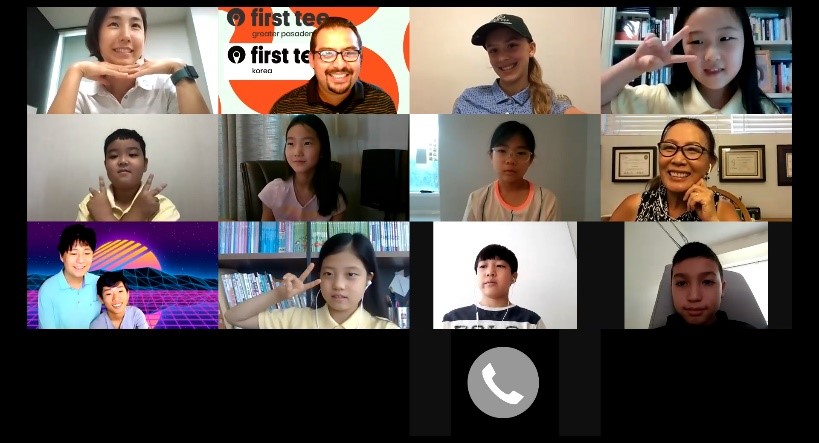
Recently, participants and coaches from the two chapters were able to meet virtually to discuss a trending topic in communities across the globe: returning to school during a pandemic.
During the video call, participants shared how they’re feeling and handling the return to school.
Gloria from First Tee — Korea shared, “I think I should take responsibility for myself because if I don’t follow the rules, I could put my friends and family at risk.”
Through the meeting, the participants realized that they have quite a bit in common despite growing up thousands of miles apart. They’re all adjusting to the “new normal,” and are leaning on the character strengths they’ve developed through First Tee to help conquer these challenges.
Bob Baderian, Executive Director for First Tee — Greater Pasadena, summed up the experience:
“This very positive partnership between First Tee — Greater Pasadena and First Tee — Korea encourages participants to share their experiences and perspectives and provides opportunities to educate them about the culture and history of their respective countries and communities. These meetings have resulted in increased knowledge and appreciation of cultures and lifestyles between our two chapters.”
Founded in 2006, First Tee — Greater Pasadena has served more than 200,000 kids and teens. First Tee — Korea was founded in conjunction with the 2015 Presidents Cup and is one of six international chapters within the First Tee network.
The sister chapters have a goal to one day provide an in-person experience for their participants to meet.
This pandemic, among other challenges this year, has been more than we could have ever anticipated. It’s stories like these, of coming together to learn, appreciate, and build relationships, that inspire us as we work to empower youth to be game-changers and make this a better world.
USGA grant helps First Tee chapters keep programs running during the pandemic
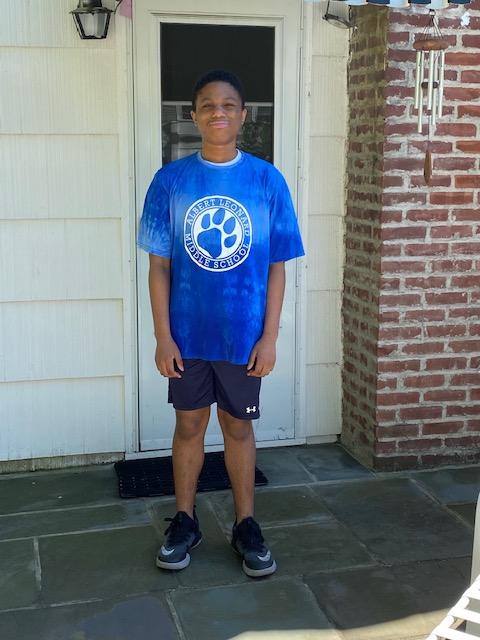
Aaron Hall-King, a New Rochelle native, was attending Albert Leonard Middle School this past March when it became the first school in New York to close due to COVID-19. His mother Kira gave him words to live by.
“The school building may be closed, but the learning continues.”
Kira was the first to reach out when First Tee — Metropolitan New York announced online learning and tutoring. First Tee has become a comfort zone for Aaron, who has been diagnosed with ADHD and needs additional help with instructions. Aaron enrolled in First Tee Life Skills and Education programs in 2014 when he was in the second grade. Since that time, program director, Karen Les Pierre shares that his grades and organizational skills have improved dramatically. Karen didn’t miss a beat when First Tee’s campuses were closed due to the virus and immediately tutored Aaron utilizing FaceTime.
“I love First Tee, because they have great programs for the kids,” says Aaron’s mom, Kira. “Aaron will take individual lessons in the fall. He has really matured with First Tee. If it wasn’t for [First Tee], I don’t know where we would be.”
Aaron is one of many participants reached by the chapter’s virtual programs which were supported in part by a recent USGA grant . So far, they have delivered more than 200 hours of virtual tutoring this year. In addition, hundreds of hours are being spent online and, on the phone, helping participants navigate the college and high school application process through the Path to College program. They also offered Summer STEM online, a six-week program focused on the sciences, computer programming and literacy.
First Tee — Metropolitan New York is one of 51 First Tee chapters to receive a grant from the USGA towards their ongoing commitment to making the game more accessible and welcoming for juniors. In addition to the $200,000 that went to chapter grants, the association pledged $125,000 to help First Tee headquarters develop innovative digital tools that enable stronger connections between juniors, parents, chapters and coaches, bringing the USGA’s total investment to $325,000 for 2020.
“Year after year we are seeing the positive impact that First Tee and other junior programs are having in breaking down barriers and connecting communities through sports,” said Mike Davis, CEO of the USGA. “It is vital for golf’s long-term health that we continue to create pathways for all juniors to participate.”
First Tee brings kids and teens to the game of golf and leverages it as a catalyst for personal growth through experiences that build inner strength, self-confidence, and resilience. Through chapters in 150 communities and more than 10,000 schools and 1,200 after-school partnerships, First Tee reaches kids ages 5-18 from all backgrounds.
Learn more about our character building programs and how you can get involved.
For more than a year, we have been working on a revitalization of the First Tee brand to ensure we stay connected with today’s young people
For more than two decades, we’ve been helping kids and teens learn life skills and build core values using the game of golf as the vehicle. Now, it’s time for us to write our own growth story. In May 2019, we began a process of reflecting on who we are, what we’re capable of and how we can show up stronger for this generation of kids. This brand evolution is grounded in research and insights from key stakeholders and is an updated reflection of who First Tee is and our promise to help empower kids to build their strength of character.
Since 1997, when First Tee was first launched in Central Park, Manhattan, NY, the intention was clear: leveraging one of the most engaging sports to enrich the lives of young people. It’s been a lot of hard work, but we are proud to now be serving many communities through our network of chapters, schools and community partnerships. It’s all about empowering kids. And we still think golf is the perfect platform in which to do it.
“There is little doubt the world has changed significantly over the last 23 years,” said Greg McLaughlin, CEO of First Tee. “Today’s kids and teens are facing pressures that are different from previous generations, and it’s important that we look in the mirror to ensure we are approaching our work with as much relevance and awareness of today’s families as possible. I am proud of the team who has worked so hard to really understand our participants, alumni, parents, coaches, volunteers, chapters, donors and many more who pour their hearts into our mission each day in their communities.
“This year has been challenging on many levels. We debated holding tight on this project, but in the end, our chapters were hungry for the ability to reinforce the incredible work they do through this brand refresh, so we decided to move forward now.”
The brand evolution was led by Sub Rosa, a brand strategy and design practice, and included PGA TOUR creative, marketing and communications teams. The evolution includes refreshed brand purpose and story, as well as a new logo, which is a metaphor for the growth guidance at the heart of First Tee. The changes also include removing “The” from the organization’s name and updated colors and patterns.
We will continue to build experiences that build character to empower kids through a lifetime of new challenges and continuous personal growth. By seamlessly integrating the game of golf with a life skills curriculum, we create active learning experiences that build inner strength, self-confidence and resilience that kids can carry to everything they do. These character education programs are offered at golf courses, schools and youth centers in all 50 states and at six international locations.

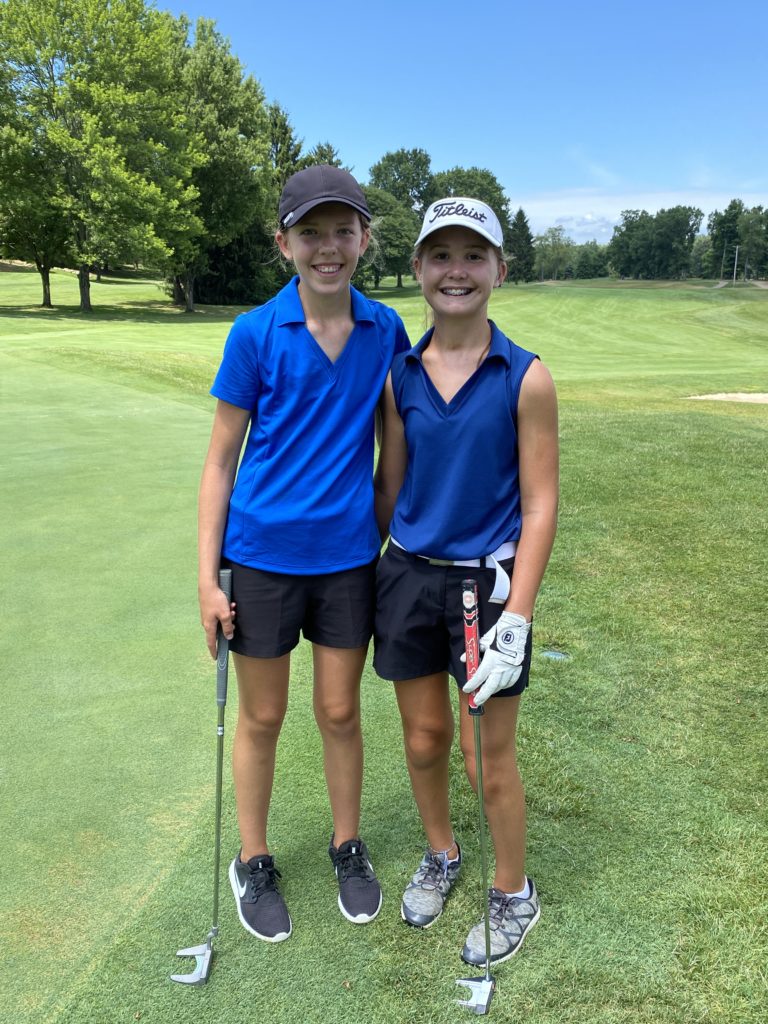
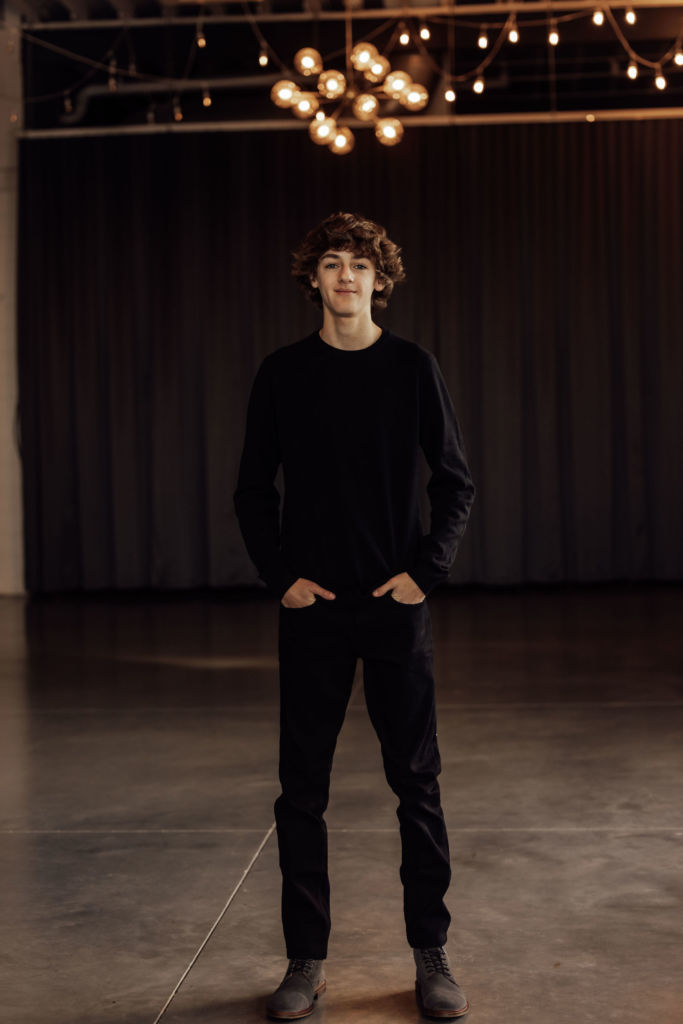 By Sara Wright, PGA TOUR
Henry Mentzel was just seven years old when he was first introduced to First Tee. His parents had been searching for some basic golf lessons for their son and stumbled across First Tee — Greater Cincinnati and Northern Kentucky. Little did they know, this program would end up providing so much more. First Tee would be one of the most influential programs in young Henry’s life and would prove a catalyst for his personal growth throughout the years.
“I have been active in multiple sports throughout my childhood,” Henry explained. “I played soccer, basketball, baseball, just trying to figure out which I enjoyed the most. First Tee introduced golf in a way that allowed me to learn how to play the game, but also taught me life skills that I was able to apply across many areas of my young life. In the end, golf is the sport I enjoy the most.”
Henry is currently at the Eagle level, but it was during his time in the PAR level that he learned a valuable lesson on perseverance and how to succeed in golf by continuing through bad breaks and his own mistakes. This lesson also helped him in other aspects of his life.
“I applied the perseverance lesson in school, specifically, in Latin,” he said. “I struggled to understand the different parts of Latin grammar and the new vocabulary. My school required Latin, so I had to figure out how to persevere through three years of an unspoken language that did not make sense to me. I made a lot of vocabulary lists, agreed to get a tutor, and started staying after school for help nights. After applying myself, despite some not so great grades on assignments, I started making progress and now, in my third year, I have an A in the class.”
Not only do these lessons shape Henry’s life, but they have had a big part in shaping others’ lives, as well. Coached from early on by Tom and Melissa Briner, they not only helped him discover his love for the game of golf, but also gave Henry the opportunity to coach other young golfers at First Tee.
By Sara Wright, PGA TOUR
Henry Mentzel was just seven years old when he was first introduced to First Tee. His parents had been searching for some basic golf lessons for their son and stumbled across First Tee — Greater Cincinnati and Northern Kentucky. Little did they know, this program would end up providing so much more. First Tee would be one of the most influential programs in young Henry’s life and would prove a catalyst for his personal growth throughout the years.
“I have been active in multiple sports throughout my childhood,” Henry explained. “I played soccer, basketball, baseball, just trying to figure out which I enjoyed the most. First Tee introduced golf in a way that allowed me to learn how to play the game, but also taught me life skills that I was able to apply across many areas of my young life. In the end, golf is the sport I enjoy the most.”
Henry is currently at the Eagle level, but it was during his time in the PAR level that he learned a valuable lesson on perseverance and how to succeed in golf by continuing through bad breaks and his own mistakes. This lesson also helped him in other aspects of his life.
“I applied the perseverance lesson in school, specifically, in Latin,” he said. “I struggled to understand the different parts of Latin grammar and the new vocabulary. My school required Latin, so I had to figure out how to persevere through three years of an unspoken language that did not make sense to me. I made a lot of vocabulary lists, agreed to get a tutor, and started staying after school for help nights. After applying myself, despite some not so great grades on assignments, I started making progress and now, in my third year, I have an A in the class.”
Not only do these lessons shape Henry’s life, but they have had a big part in shaping others’ lives, as well. Coached from early on by Tom and Melissa Briner, they not only helped him discover his love for the game of golf, but also gave Henry the opportunity to coach other young golfers at First Tee.
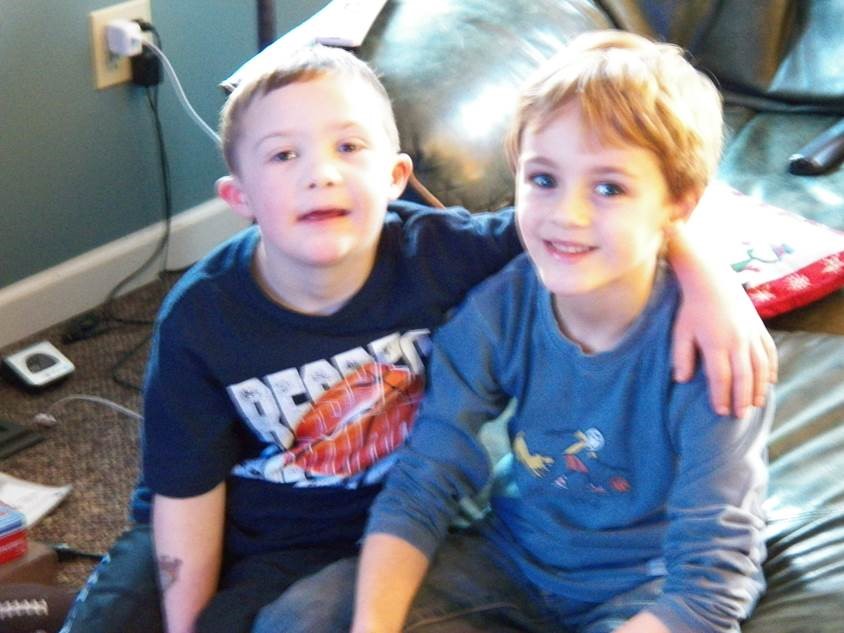 “Being able to introduce my friend Will Abel to the game of golf was very meaningful to me,” Henry reflected. “First Tee has given Will the opportunity to begin to learn the game of golf and me the opportunity to teach and play with him. I enjoy that we now both have another common interest that we enjoy doing together.”
This friendship between Will and Henry was one of the reasons he was recently awarded with the 2020 Heart of First Tee Award. This award given by First Tee — Greater Cincinnati and Northern Kentucky recognizes individuals who embody the “Heart” of the First Tee through giving of time, talent or treasure; by demonstrating and living one of First Tee values; or by going above and beyond to promote or further their missions.
“We are all living in extraordinary and trying times that have tested all of us in ways we couldn’t even imagine nine months ago,” Rosie Abel wrote in her nomination of Henry. “Despite these challenges, Henry – acting upon the values of the First Tee – found a way to make a difference in our son’s life. My son, Will, who has Down Syndrome, is not unlike most sixteen-year-olds — very outgoing, social, and full of energy. But the pandemic has proven to be particularly frustrating for him especially when Ohio shut down in March. His sense of isolation grew as the effects of the pandemic spread.”
“When First Tee classes resumed in the summer, Henry continued to be that go-to person for Will,” Rosie continued. “He supports Will at the Down Syndrome Association of Greater Cincinnati’s Buddy Walk and even invited Will to play a round of golf with him, knowing that Will was not as experienced as himself. Will is not the only recipient of Henry’s friendship. Many coaches and staff have witnessed his kindness and refreshing take on life, feeling joy in other’s successes. We suspect there are many other people who have been touched by Henry and consider him to be on their “go-to team.”
Henry currently caddies, is a member of HOSA (Health Occupations Students of America) and Books For Kids (a club where students write and illustrate a book imagined patients at Cincinnati Children’s Hospital) he also regularly volunteers with his family at a soup kitchen. During the summer, Henry volunteers in First Tee classes where he is a positive role model for the younger kids in the program.
“The core values the First Tee teaches are very important for kids and teens today,” Henry continued. “I really believe these core values build kids to be better, stronger, and smarter on and off the golf course each day. First Tee also teaches kids social and mental skills on how to interact and bring out the best in themselves and their teammates. First Tee teaches how to set specific goals and, more importantly, what it takes to achieve them. These essential skills help prepare kids for their future and provide tools for success.”
As Henry prepares for his future, one of his immediate goals is to place in the top 10 in one of the golf tournaments he plans to compete in this summer. He is also striving to achieve the A honor role during his freshman year at Walnut Hills High School. His long terms goals are to play college golf and get into medical school.
“First Tee has taught me that to achieve these goals I will need to be confident, honest, and persevere through challenges,” Henry added. “Through this program and the coaches who mentor me, I always feel that I can do whatever I set my mind to do. It has helped me understand that a bad day on the course (or in school or in life, in general) is just that – one bad day. Tomorrow is a fresh start.”
“Being able to introduce my friend Will Abel to the game of golf was very meaningful to me,” Henry reflected. “First Tee has given Will the opportunity to begin to learn the game of golf and me the opportunity to teach and play with him. I enjoy that we now both have another common interest that we enjoy doing together.”
This friendship between Will and Henry was one of the reasons he was recently awarded with the 2020 Heart of First Tee Award. This award given by First Tee — Greater Cincinnati and Northern Kentucky recognizes individuals who embody the “Heart” of the First Tee through giving of time, talent or treasure; by demonstrating and living one of First Tee values; or by going above and beyond to promote or further their missions.
“We are all living in extraordinary and trying times that have tested all of us in ways we couldn’t even imagine nine months ago,” Rosie Abel wrote in her nomination of Henry. “Despite these challenges, Henry – acting upon the values of the First Tee – found a way to make a difference in our son’s life. My son, Will, who has Down Syndrome, is not unlike most sixteen-year-olds — very outgoing, social, and full of energy. But the pandemic has proven to be particularly frustrating for him especially when Ohio shut down in March. His sense of isolation grew as the effects of the pandemic spread.”
“When First Tee classes resumed in the summer, Henry continued to be that go-to person for Will,” Rosie continued. “He supports Will at the Down Syndrome Association of Greater Cincinnati’s Buddy Walk and even invited Will to play a round of golf with him, knowing that Will was not as experienced as himself. Will is not the only recipient of Henry’s friendship. Many coaches and staff have witnessed his kindness and refreshing take on life, feeling joy in other’s successes. We suspect there are many other people who have been touched by Henry and consider him to be on their “go-to team.”
Henry currently caddies, is a member of HOSA (Health Occupations Students of America) and Books For Kids (a club where students write and illustrate a book imagined patients at Cincinnati Children’s Hospital) he also regularly volunteers with his family at a soup kitchen. During the summer, Henry volunteers in First Tee classes where he is a positive role model for the younger kids in the program.
“The core values the First Tee teaches are very important for kids and teens today,” Henry continued. “I really believe these core values build kids to be better, stronger, and smarter on and off the golf course each day. First Tee also teaches kids social and mental skills on how to interact and bring out the best in themselves and their teammates. First Tee teaches how to set specific goals and, more importantly, what it takes to achieve them. These essential skills help prepare kids for their future and provide tools for success.”
As Henry prepares for his future, one of his immediate goals is to place in the top 10 in one of the golf tournaments he plans to compete in this summer. He is also striving to achieve the A honor role during his freshman year at Walnut Hills High School. His long terms goals are to play college golf and get into medical school.
“First Tee has taught me that to achieve these goals I will need to be confident, honest, and persevere through challenges,” Henry added. “Through this program and the coaches who mentor me, I always feel that I can do whatever I set my mind to do. It has helped me understand that a bad day on the course (or in school or in life, in general) is just that – one bad day. Tomorrow is a fresh start.” 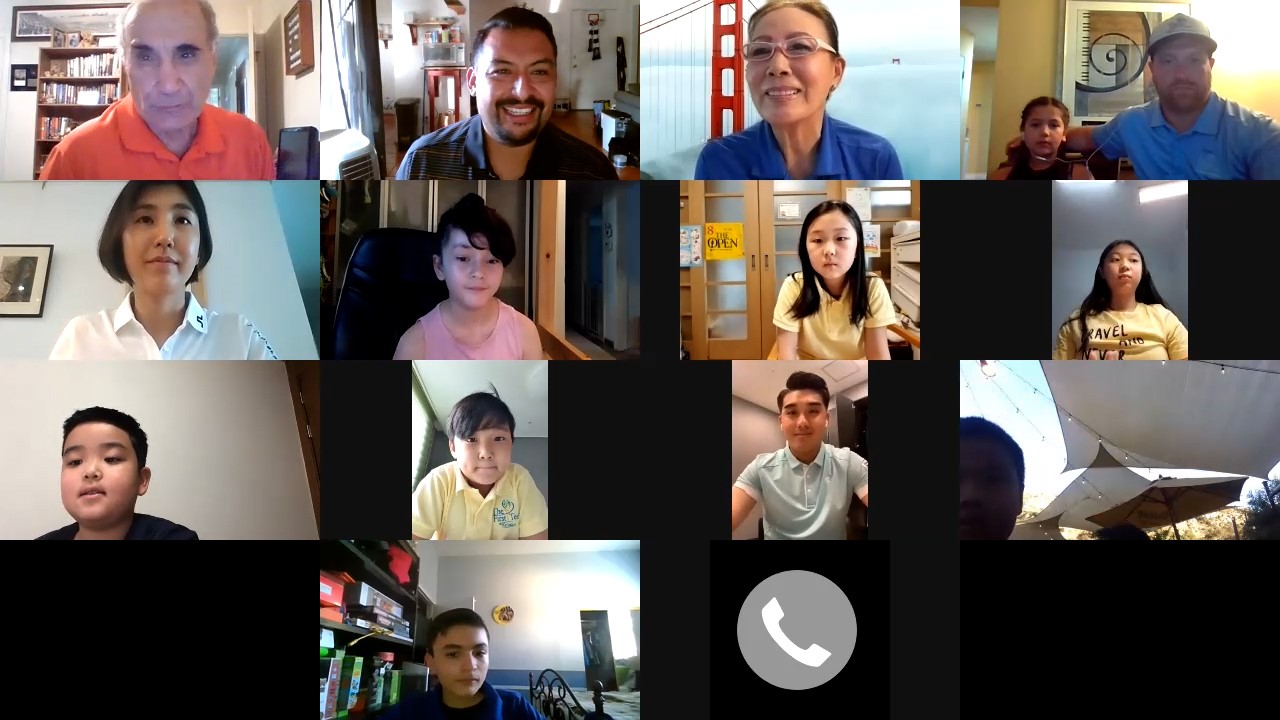 Like our participants, what makes our chapters so special is that each one is unique in its own way. We celebrate their diverse perspectives because it makes our work even more powerful. Yet one thing that remains consistent at every chapter is their passion for supporting the next generation and the communities they live in.
One way our chapters are doing this is by creating a space that makes every individual feel like they belong. A culture of acceptance is deeply rooted in our values as an organization as we seek to understand walks of life that are different from our own.
Two of our chapters, First Tee — Greater Pasadena and First Tee — Korea, have brought this to life in a meaningful new way. In 2019, the two chapters became official sister chapters in an effort for participants to share cultural experiences and explore opportunities beyond their community.
Like our participants, what makes our chapters so special is that each one is unique in its own way. We celebrate their diverse perspectives because it makes our work even more powerful. Yet one thing that remains consistent at every chapter is their passion for supporting the next generation and the communities they live in.
One way our chapters are doing this is by creating a space that makes every individual feel like they belong. A culture of acceptance is deeply rooted in our values as an organization as we seek to understand walks of life that are different from our own.
Two of our chapters, First Tee — Greater Pasadena and First Tee — Korea, have brought this to life in a meaningful new way. In 2019, the two chapters became official sister chapters in an effort for participants to share cultural experiences and explore opportunities beyond their community.
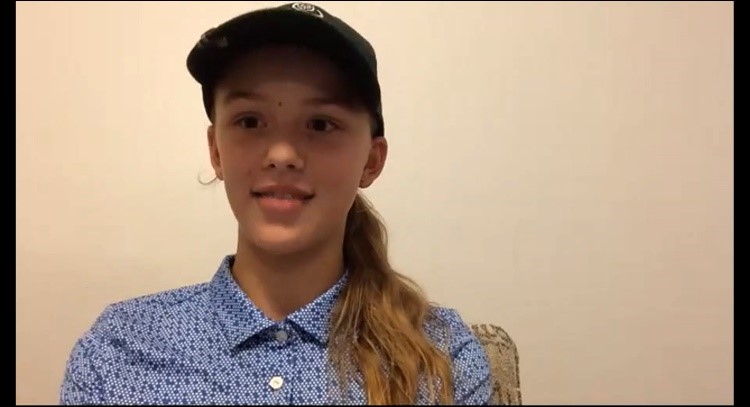 Recently, participants and coaches from the two chapters were able to meet virtually to discuss a trending topic in communities across the globe: returning to school during a pandemic.
During the video call, participants shared how they’re feeling and handling the return to school.
Gloria from First Tee — Korea shared, “I think I should take responsibility for myself because if I don’t follow the rules, I could put my friends and family at risk.”
Through the meeting, the participants realized that they have quite a bit in common despite growing up thousands of miles apart. They’re all adjusting to the “new normal,” and are leaning on the character strengths they’ve developed through First Tee to help conquer these challenges.
Recently, participants and coaches from the two chapters were able to meet virtually to discuss a trending topic in communities across the globe: returning to school during a pandemic.
During the video call, participants shared how they’re feeling and handling the return to school.
Gloria from First Tee — Korea shared, “I think I should take responsibility for myself because if I don’t follow the rules, I could put my friends and family at risk.”
Through the meeting, the participants realized that they have quite a bit in common despite growing up thousands of miles apart. They’re all adjusting to the “new normal,” and are leaning on the character strengths they’ve developed through First Tee to help conquer these challenges.
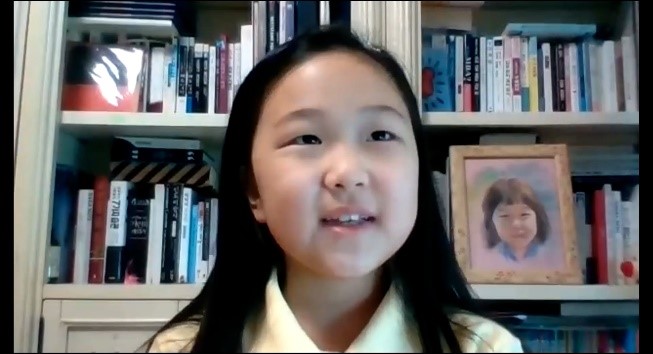 Bob Baderian, Executive Director for First Tee — Greater Pasadena, summed up the experience:
“This very positive partnership between First Tee — Greater Pasadena and First Tee — Korea encourages participants to share their experiences and perspectives and provides opportunities to educate them about the culture and history of their respective countries and communities. These meetings have resulted in increased knowledge and appreciation of cultures and lifestyles between our two chapters.”
Founded in 2006, First Tee — Greater Pasadena has served more than 200,000 kids and teens. First Tee — Korea was founded in conjunction with the 2015 Presidents Cup and is one of six international chapters within the First Tee network.
The sister chapters have a goal to one day provide an in-person experience for their participants to meet.
This pandemic, among other challenges this year, has been more than we could have ever anticipated. It’s stories like these, of coming together to learn, appreciate, and build relationships, that inspire us as we work to empower youth to be game-changers and make this a better world.
Bob Baderian, Executive Director for First Tee — Greater Pasadena, summed up the experience:
“This very positive partnership between First Tee — Greater Pasadena and First Tee — Korea encourages participants to share their experiences and perspectives and provides opportunities to educate them about the culture and history of their respective countries and communities. These meetings have resulted in increased knowledge and appreciation of cultures and lifestyles between our two chapters.”
Founded in 2006, First Tee — Greater Pasadena has served more than 200,000 kids and teens. First Tee — Korea was founded in conjunction with the 2015 Presidents Cup and is one of six international chapters within the First Tee network.
The sister chapters have a goal to one day provide an in-person experience for their participants to meet.
This pandemic, among other challenges this year, has been more than we could have ever anticipated. It’s stories like these, of coming together to learn, appreciate, and build relationships, that inspire us as we work to empower youth to be game-changers and make this a better world.
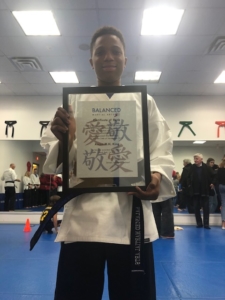 First Tee — Metropolitan New York is one of 51 First Tee chapters to receive a grant from the USGA towards their ongoing commitment to making the game more accessible and welcoming for juniors. In addition to the $200,000 that went to chapter grants, the association pledged $125,000 to help First Tee headquarters develop innovative digital tools that enable stronger connections between juniors, parents, chapters and coaches, bringing the USGA’s total investment to $325,000 for 2020.
“Year after year we are seeing the positive impact that First Tee and other junior programs are having in breaking down barriers and connecting communities through sports,” said Mike Davis, CEO of the USGA. “It is vital for golf’s long-term health that we continue to create pathways for all juniors to participate.”
First Tee brings kids and teens to the game of golf and leverages it as a catalyst for personal growth through experiences that build inner strength, self-confidence, and resilience. Through chapters in 150 communities and more than 10,000 schools and 1,200 after-school partnerships, First Tee reaches kids ages 5-18 from all backgrounds.
First Tee — Metropolitan New York is one of 51 First Tee chapters to receive a grant from the USGA towards their ongoing commitment to making the game more accessible and welcoming for juniors. In addition to the $200,000 that went to chapter grants, the association pledged $125,000 to help First Tee headquarters develop innovative digital tools that enable stronger connections between juniors, parents, chapters and coaches, bringing the USGA’s total investment to $325,000 for 2020.
“Year after year we are seeing the positive impact that First Tee and other junior programs are having in breaking down barriers and connecting communities through sports,” said Mike Davis, CEO of the USGA. “It is vital for golf’s long-term health that we continue to create pathways for all juniors to participate.”
First Tee brings kids and teens to the game of golf and leverages it as a catalyst for personal growth through experiences that build inner strength, self-confidence, and resilience. Through chapters in 150 communities and more than 10,000 schools and 1,200 after-school partnerships, First Tee reaches kids ages 5-18 from all backgrounds.
