
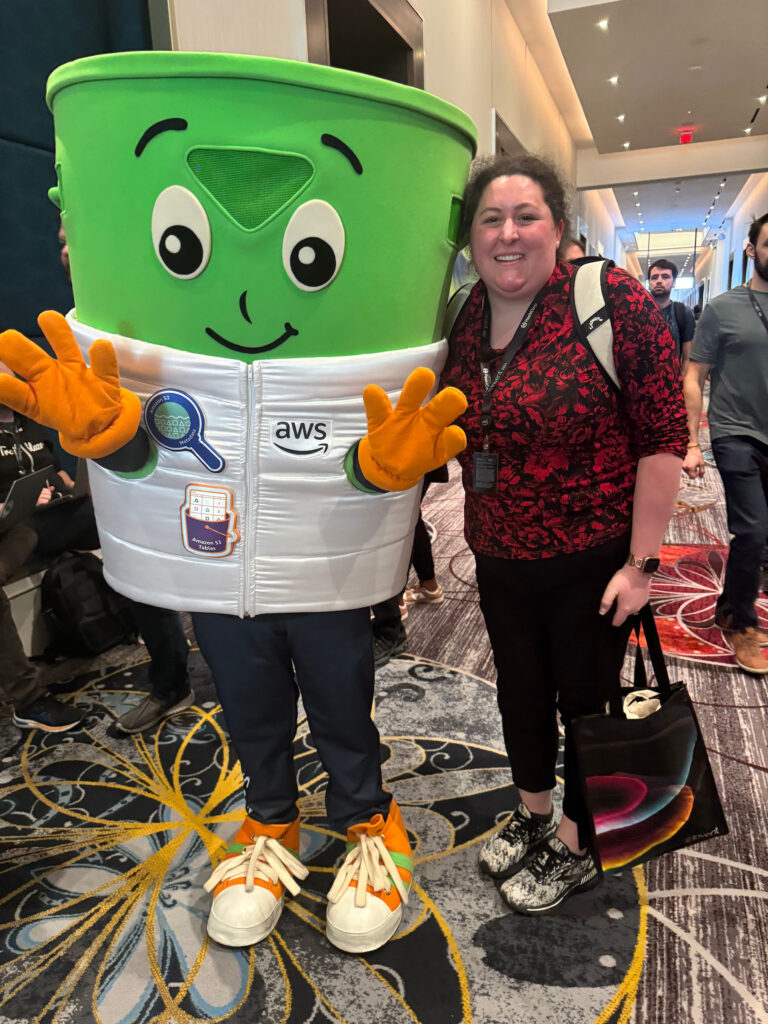
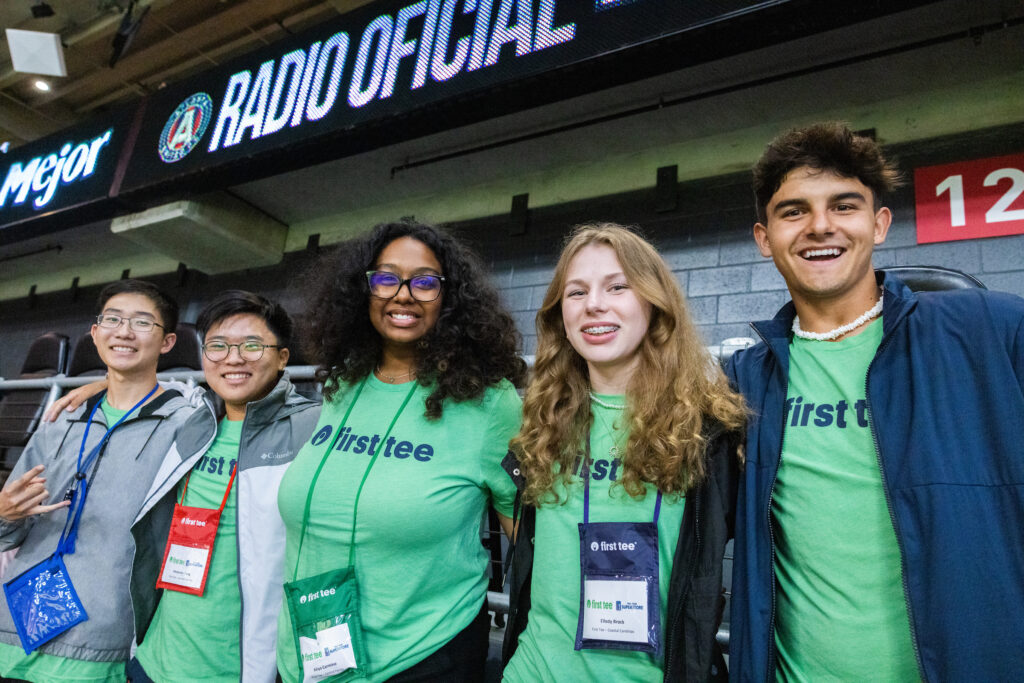
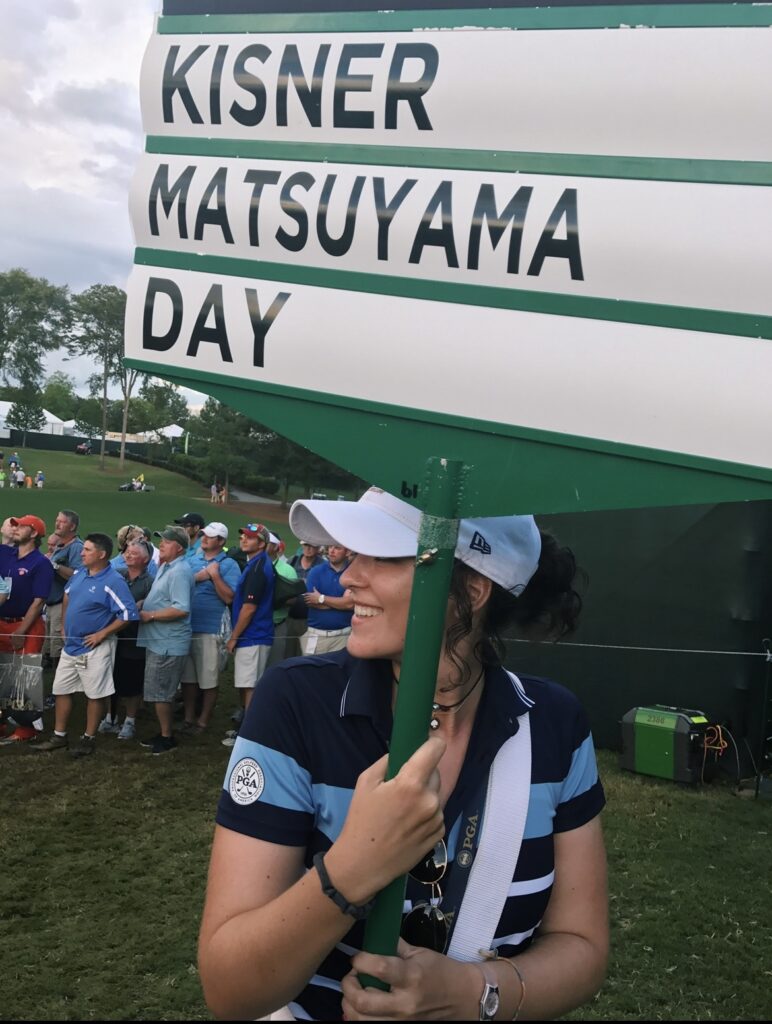
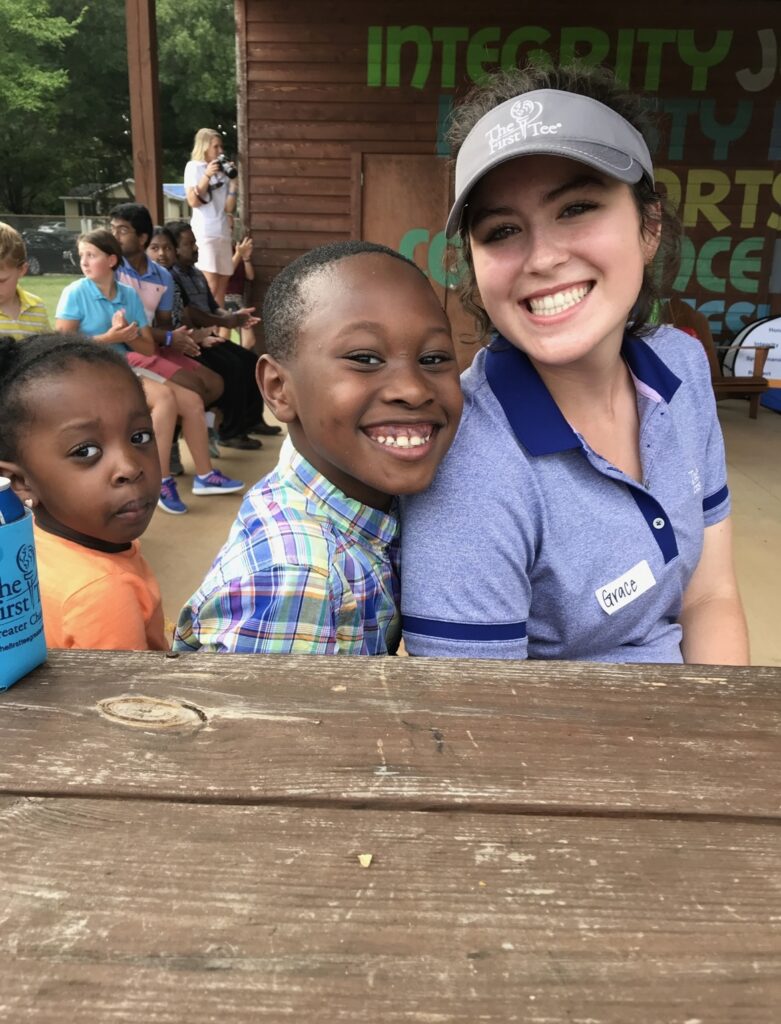
As a participant in First Tee – Delaware, Grace Lombardi said she learned not only the fundamentals of golf but also some of life’s most valuable lessons. Confidence and perseverance are values that have helped Grace overcome obstacles and carve a path into the world of cybersecurity, an industry where women are still a minority.
“Confidence empowered me to take on challenges, whether it was mastering complex security concepts, earning certifications or speaking up in technical discussions,” she said. “At the same time, perseverance kept me moving forward despite obstacles, from overcoming imposter syndrome to pushing through rigorous training and setbacks.”
Grace recently began working in AWS Professional Services, supporting national security as a cloud engineering consultant. In this role, she works with clients in the federal government, helping them leverage AWS solutions to enhance their operations.
Grace said she’s proud to work for an organization that’s a major supporter of First Tee. AWS joined First Tee as a Trustee in 2021. With a dedicated team, AWS supports participants through STEM programming, employee volunteerism and alumni support. In 2024, AWS invited a select First Tee alumni to AWS re:Invent, the world’s largest annual cloud computing conference.
At re:Invent, Grace was able to attend several workshops. “I highly encourage any First Tee alumni to attend re:Invent if they get the chance,” she said. “While it’s a tech conference, the wealth of knowledge, networking opportunities and exposure to innovation make it valuable for professionals in any field.”
Forging a path in cybersecurity
Golf isn’t easy, and resilience is a trait Grace picked up during her seven years as a First Tee participant.
She said it’s important for her to stay involved with the organization because she wants to give back to the next generation. “First Tee gave me the opportunity to have so many amazing experiences across the country, and I learned so much while meeting incredible people,” she said.
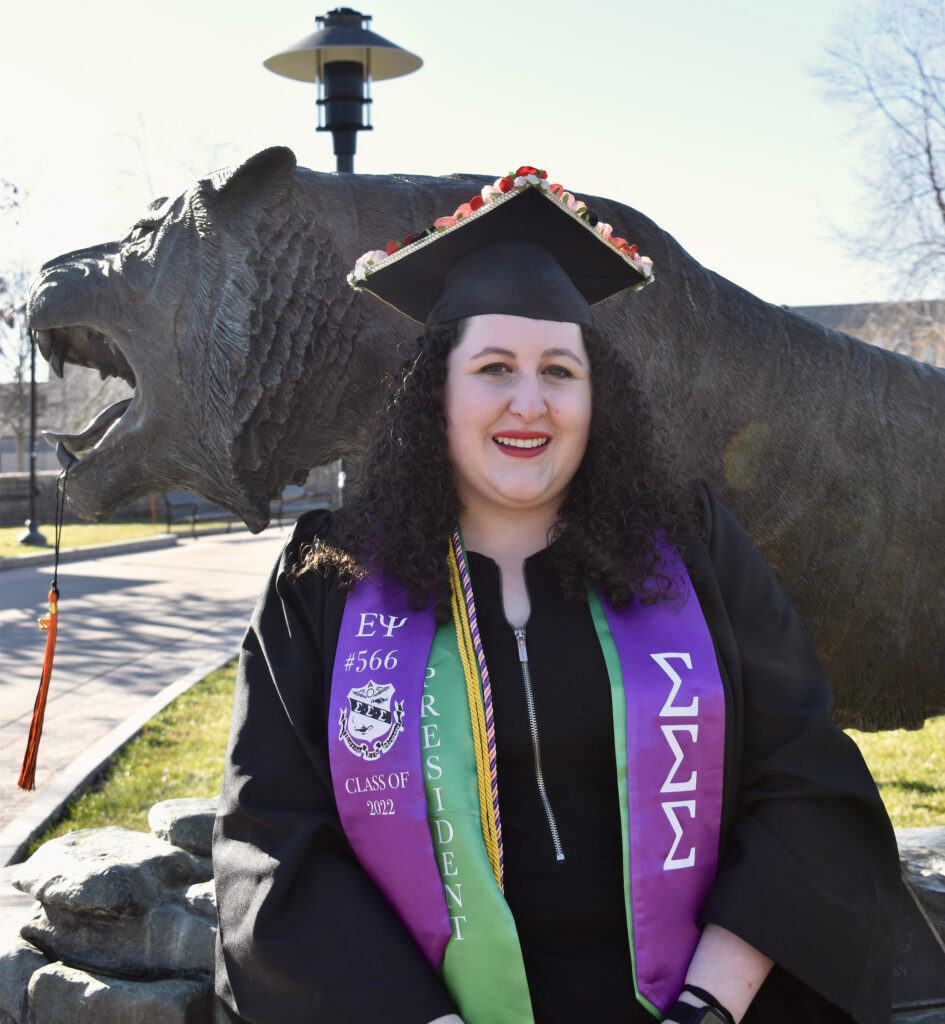
Grace always knew she wanted a career that would challenge her. When she was a high school sophomore, she got an invitation that would change her life. A friend asked her to tag along to a cybersecurity conference because he didn’t want to go alone. She participated in a digital capture-the-flag competition, and the rest is history.
“I had no idea what I was doing, but I had an absolute blast and learned so much from the other attendees,” she said. She was struck by how much people seemed to enjoy their work in cybersecurity, and a new career path was on her radar.
Grace enrolled in coding classes at a local community college, before attending Rochester Institute of Technology as an undergrad and graduate student. She spent more than two years working for federal agencies before joining AWS.
“Looking back, what started as an unexpected experience at a conference in high school turned into a fulfilling career built on curiosity, problem solving and a drive to make a real impact,” she said. She felt the same type of excitement at re:Invent. “It opened the door to incredible opportunities, deepened my technical knowledge and ultimately paved the way for my career at AWS,” she said.
“Grace’s story illustrates the powerful impact of relationships like AWS and First Tee in shaping future leaders,” said Ebony Taylor, head of global executive customer engagement at AWS Professional Services. “Her journey from learning golf fundamentals to becoming a cloud engineering consultant demonstrates how confidence and perseverance can drive success in technology fields.”
“At AWS, we value individuals who aren’t afraid to dive deep into new challenges and continuously learn. We’re proud to support organizations like First Tee that help develop well-rounded professionals who can make meaningful contributions to critical fields like cybersecurity, and we’re happy to create pathways for more talented individuals like Grace to thrive in technology careers,” Taylor said.
Learn more about the First Tee Alumni Network, which provides professional development and social opportunities across the country.

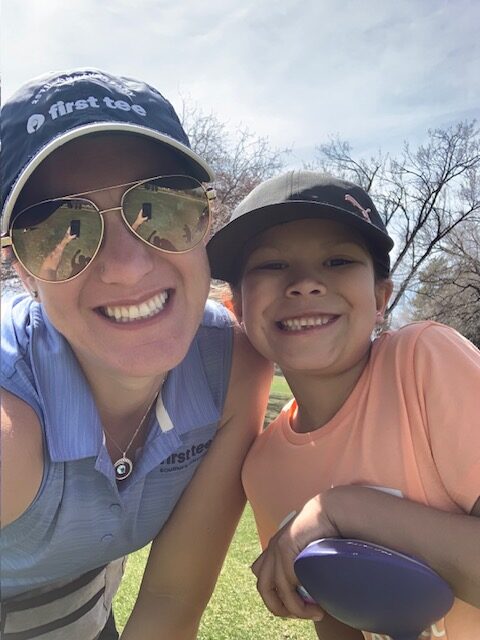


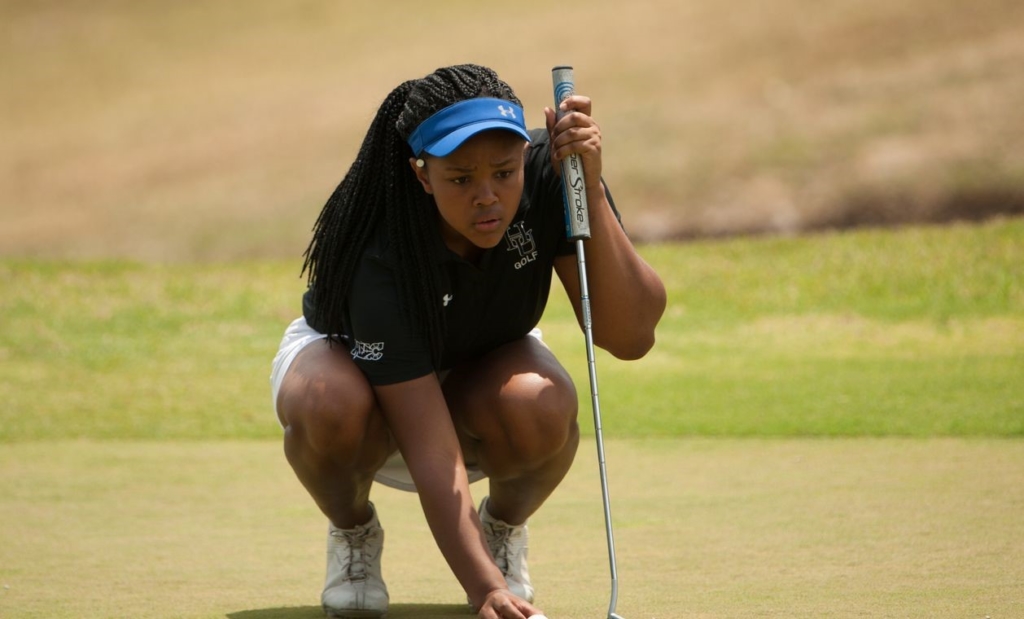 This time of year, many college students are preparing to head to their school and prepare for the upcoming school year. But this year looks different, especially for many student-athletes like Jakari Harris. Due to the financial impact of COVID-19, some universities have made the difficult decision to cut programs from the athletic department. This can be devastating for students who are also losing their scholarships, which means they are now paying for their education.
First Tee – Metro Atlanta alum, Jakari Harris, is doing something about it. A graduate of Hampton University and a former member of the golf team, Jakari was disheartened to learn that the golf team’s funding had been cut upon her graduation. She and a few other teammates have since started a
This time of year, many college students are preparing to head to their school and prepare for the upcoming school year. But this year looks different, especially for many student-athletes like Jakari Harris. Due to the financial impact of COVID-19, some universities have made the difficult decision to cut programs from the athletic department. This can be devastating for students who are also losing their scholarships, which means they are now paying for their education.
First Tee – Metro Atlanta alum, Jakari Harris, is doing something about it. A graduate of Hampton University and a former member of the golf team, Jakari was disheartened to learn that the golf team’s funding had been cut upon her graduation. She and a few other teammates have since started a 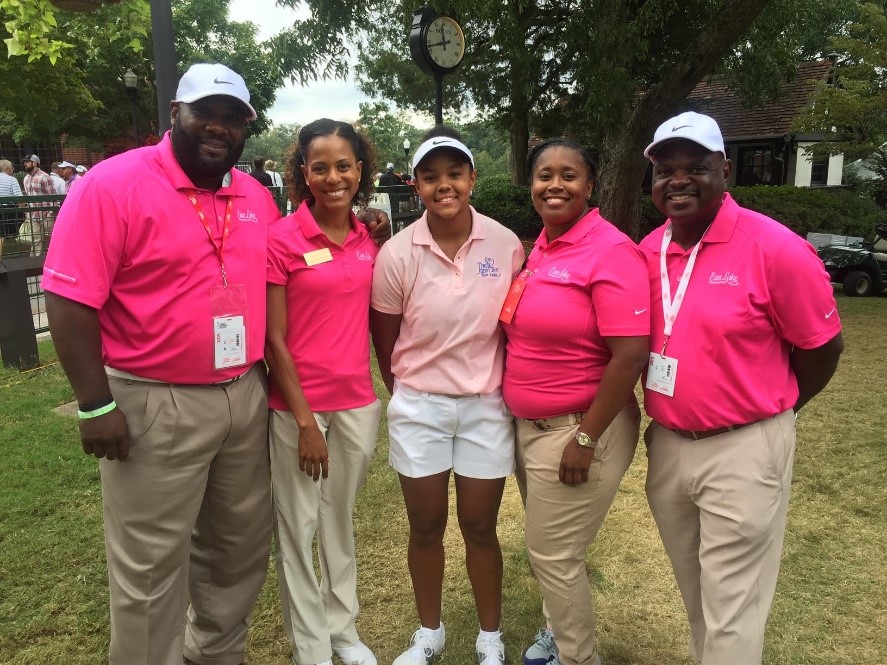 First Tee emphasizes the fact that participants not only learn golf skills, but also life skills. A lot of the values I hold near and dear to my heart are the very values that were taught in First Tee classes. My personal favorites were integrity and perseverance. Aside from life skills I learned, I also gained a family with First Tee. All of the coaches at my home chapter were extremely supportive to me on and off the course. They went above and beyond, and I consider many of them as my mentors.
First Tee camps always presented me with both new experiences and challenges. I soaked in all the instruction I could from every drill and practice session. Whenever I faced a challenge, I referred back to what I was taught earlier and tried to apply it. When I wasn’t successful, I could always ask one of the coaches for help. This is the same way I take on the new experiences and challenges in life. I take the experience for what it is and try to learn as much as I can. Then, I look at the challenges from every angle possible. Because of First Tee, I have no problem asking for help and learning from my mistakes.
One of my First Tee mentors is Coach Brittny Lott, and I actually still keep in contact with her regularly. She actually does my hair from time to time. Her love for the Lord pushes me to develop a better relationship with God. She was very patient and encouraging when I first met her. Because of my competitiveness, I would sometimes be too hard on myself when I didn’t perform well during competition. She would give me encouraging words and talk me down.
I called her after one of my tournaments in college when I shot a terrible score. I just kept saying “I don’t know why I keep doing this. I know I can do better than this.” She brought up a very good point that will always be in the back of my mind. Things happen in golf that you can’t control. Even professionals have their off days. Instead of reacting to what I scored on the last hole, I can choose to not give up and do my very best from then on. If you can walk away knowing you did your best, that’s all you can ask for.
First Tee emphasizes the fact that participants not only learn golf skills, but also life skills. A lot of the values I hold near and dear to my heart are the very values that were taught in First Tee classes. My personal favorites were integrity and perseverance. Aside from life skills I learned, I also gained a family with First Tee. All of the coaches at my home chapter were extremely supportive to me on and off the course. They went above and beyond, and I consider many of them as my mentors.
First Tee camps always presented me with both new experiences and challenges. I soaked in all the instruction I could from every drill and practice session. Whenever I faced a challenge, I referred back to what I was taught earlier and tried to apply it. When I wasn’t successful, I could always ask one of the coaches for help. This is the same way I take on the new experiences and challenges in life. I take the experience for what it is and try to learn as much as I can. Then, I look at the challenges from every angle possible. Because of First Tee, I have no problem asking for help and learning from my mistakes.
One of my First Tee mentors is Coach Brittny Lott, and I actually still keep in contact with her regularly. She actually does my hair from time to time. Her love for the Lord pushes me to develop a better relationship with God. She was very patient and encouraging when I first met her. Because of my competitiveness, I would sometimes be too hard on myself when I didn’t perform well during competition. She would give me encouraging words and talk me down.
I called her after one of my tournaments in college when I shot a terrible score. I just kept saying “I don’t know why I keep doing this. I know I can do better than this.” She brought up a very good point that will always be in the back of my mind. Things happen in golf that you can’t control. Even professionals have their off days. Instead of reacting to what I scored on the last hole, I can choose to not give up and do my very best from then on. If you can walk away knowing you did your best, that’s all you can ask for.
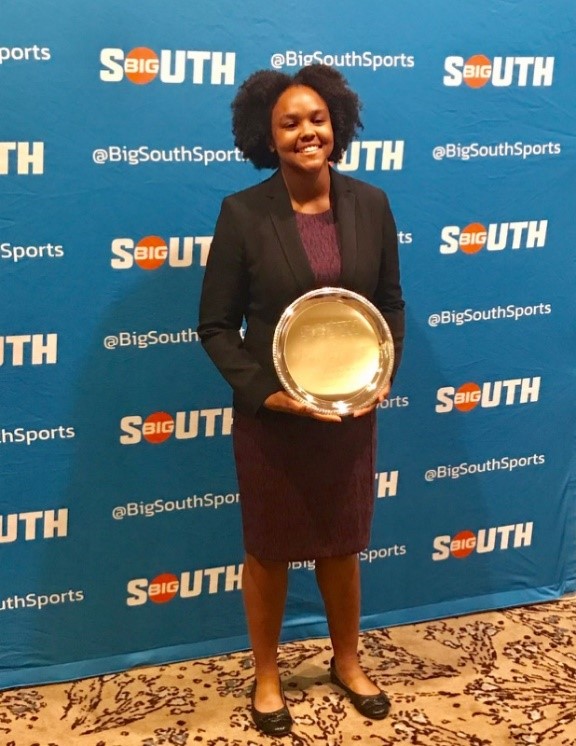 First Tee coaches have had one of the biggest impacts on my life. They care about each and every participant. Even when I would go to a First Tee camp where I didn’t know anyone, the coaches made me feel so welcome and at home. The relationships I have formed through this organization are priceless.
Looking forward, I eventually want to become a professor at a Historically Black College and University (HBCU). After graduating in STEM from an HBCU, I know that there are very good students there who just need better resources. I was able to end up where I am because of resources I came across and relationships I developed. I am now in the Biomedical Engineering PhD program at Georgia Tech and Emory University.
First Tee taught me how to network and keep in contact with the people you meet. Sometimes it’s more about WHO you know than WHAT you know. The core values I learned will help me through grad school and beyond.
If you wish to help support Jakari and her fellow Hampton Golf Alumni in their efforts to off-set the lost scholarships and bring the golf program back, visit their
First Tee coaches have had one of the biggest impacts on my life. They care about each and every participant. Even when I would go to a First Tee camp where I didn’t know anyone, the coaches made me feel so welcome and at home. The relationships I have formed through this organization are priceless.
Looking forward, I eventually want to become a professor at a Historically Black College and University (HBCU). After graduating in STEM from an HBCU, I know that there are very good students there who just need better resources. I was able to end up where I am because of resources I came across and relationships I developed. I am now in the Biomedical Engineering PhD program at Georgia Tech and Emory University.
First Tee taught me how to network and keep in contact with the people you meet. Sometimes it’s more about WHO you know than WHAT you know. The core values I learned will help me through grad school and beyond.
If you wish to help support Jakari and her fellow Hampton Golf Alumni in their efforts to off-set the lost scholarships and bring the golf program back, visit their 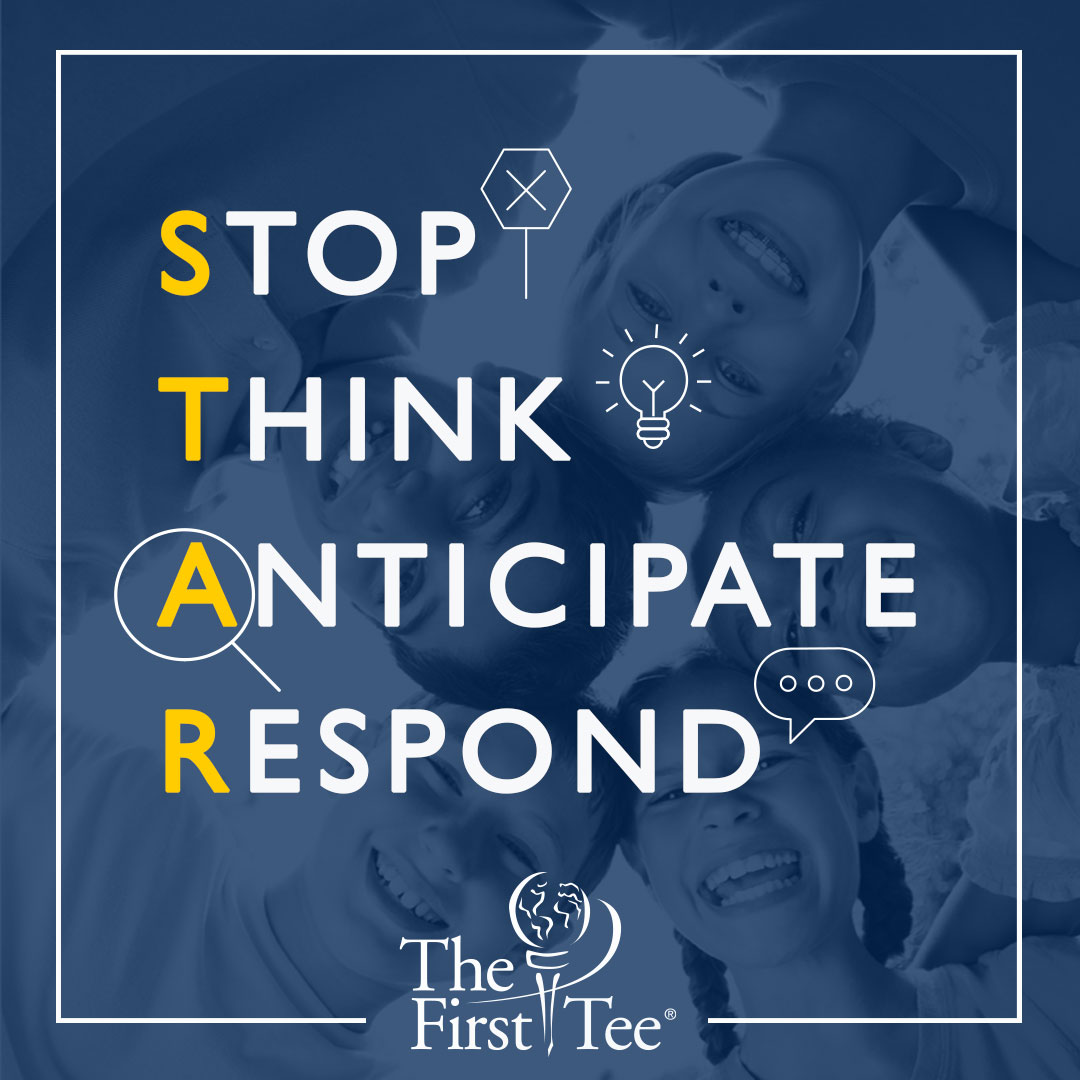 Our caring coaches empower kids so they feel excited to grow, safe to fail, and better equipped for whatever comes their way next. Through fun and meaningful programs, our coaches introduce participants to STAR:
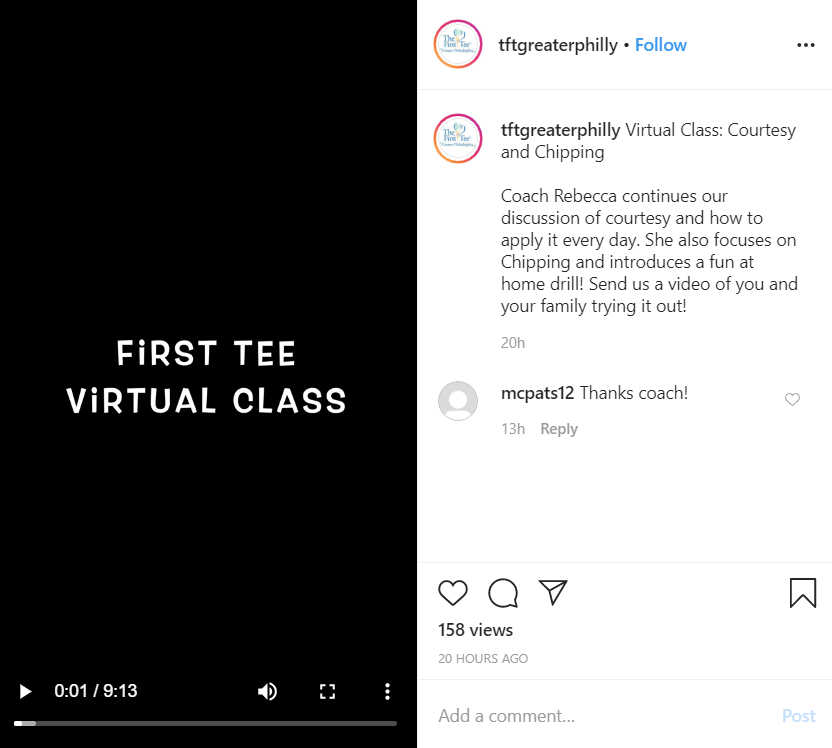
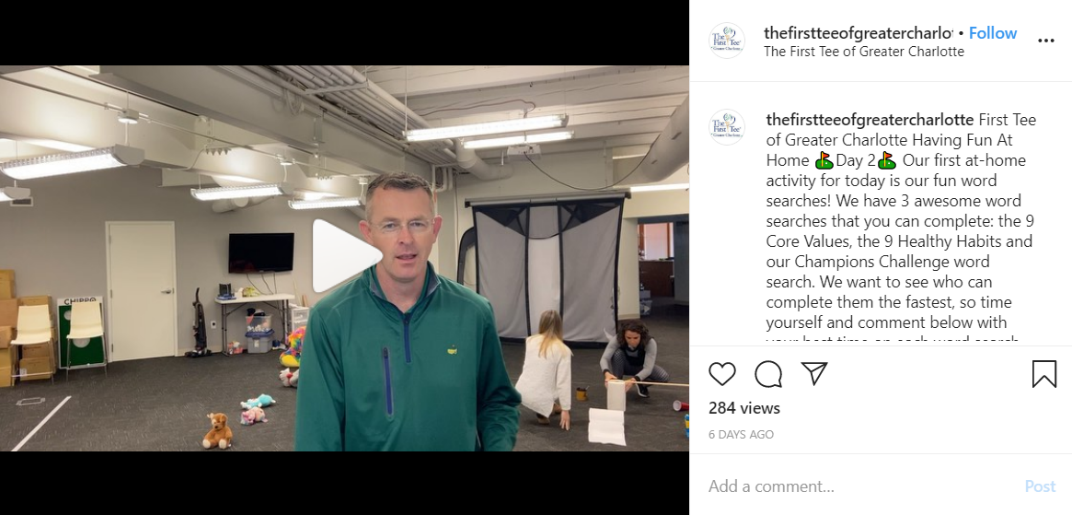
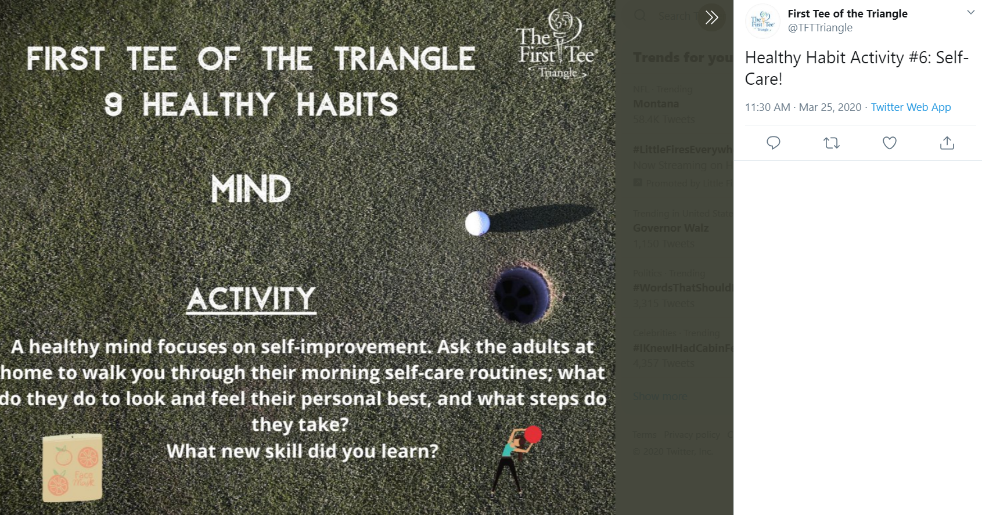
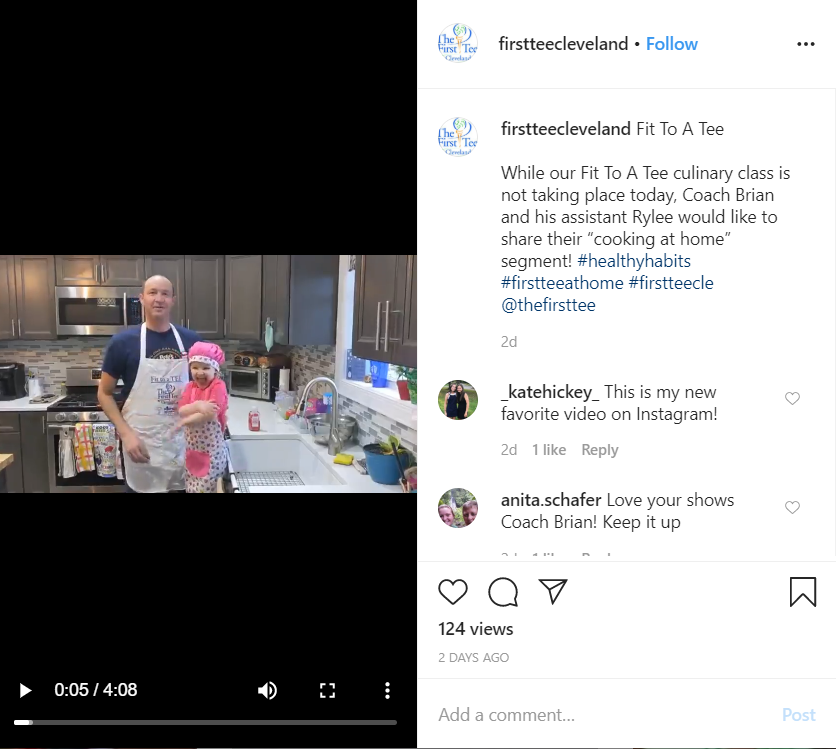
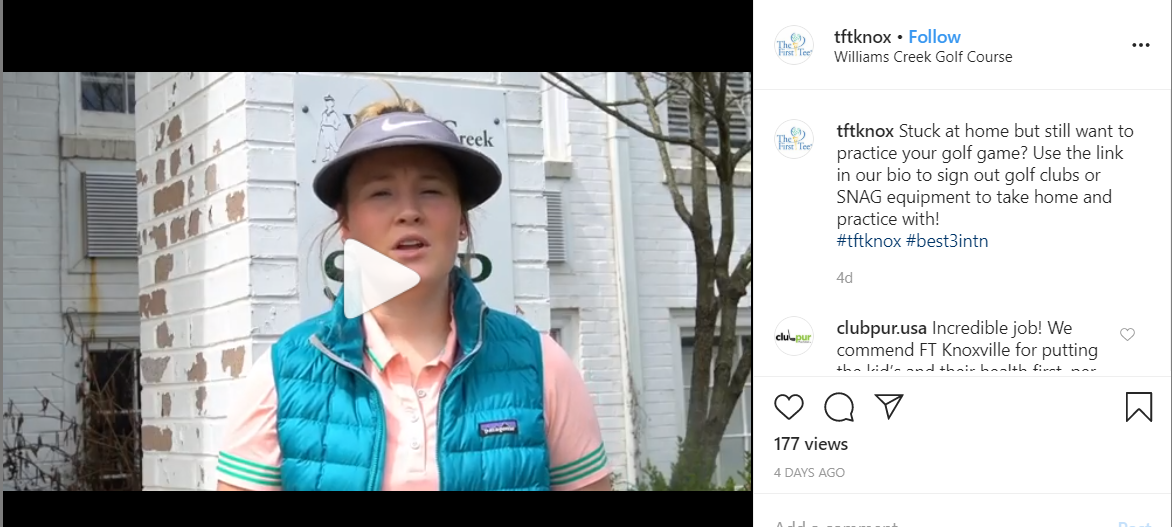 These times can be challenging, but know that we are all in this together and we will continue to serve as a resource to help your kids stay active, healthy and resilient.
 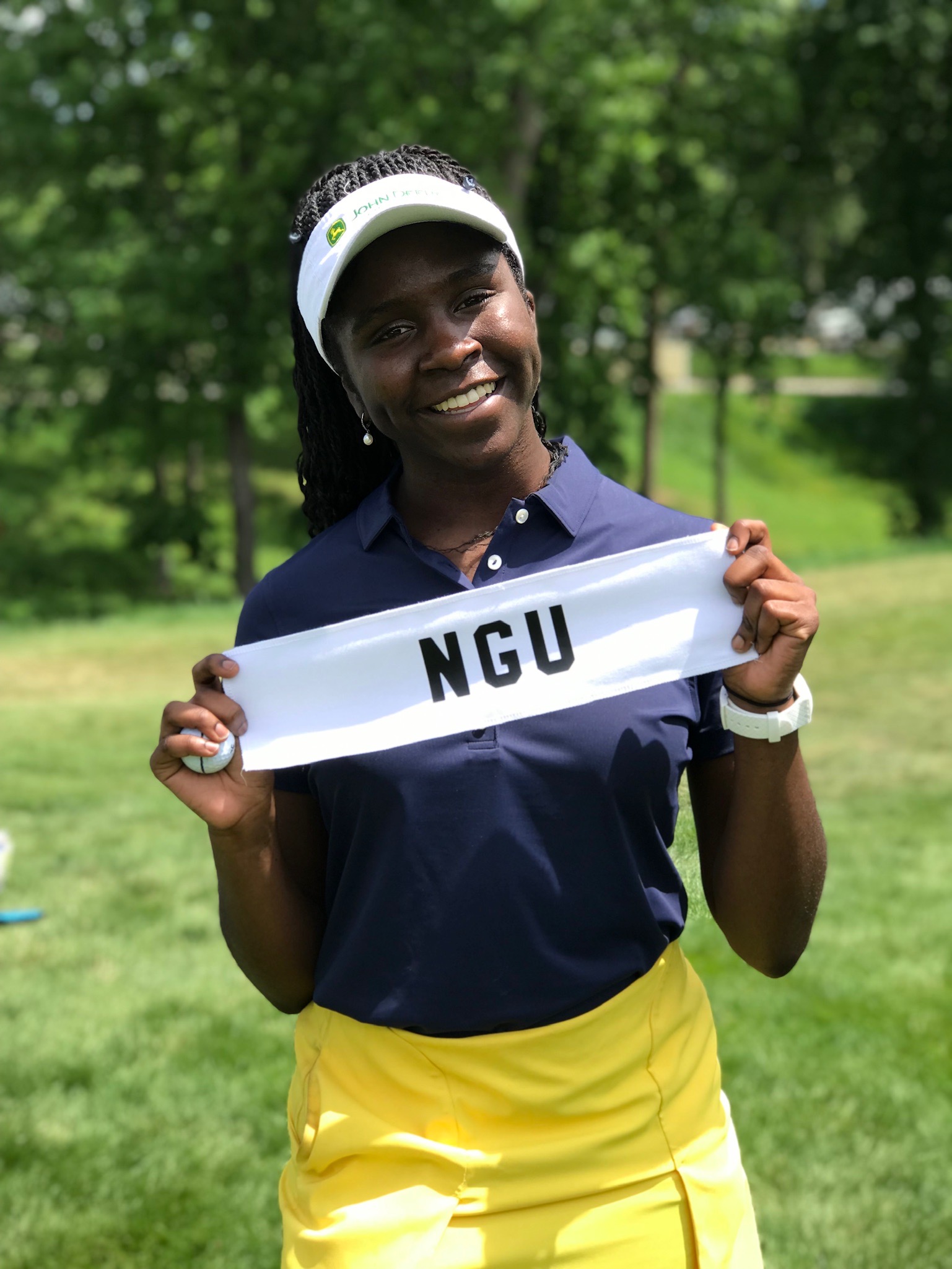 Mombo Ngu, First Tee of North Florida alumnus
Mombo was one of the three applicants selected for the 2019
Mombo Ngu, First Tee of North Florida alumnus
Mombo was one of the three applicants selected for the 2019 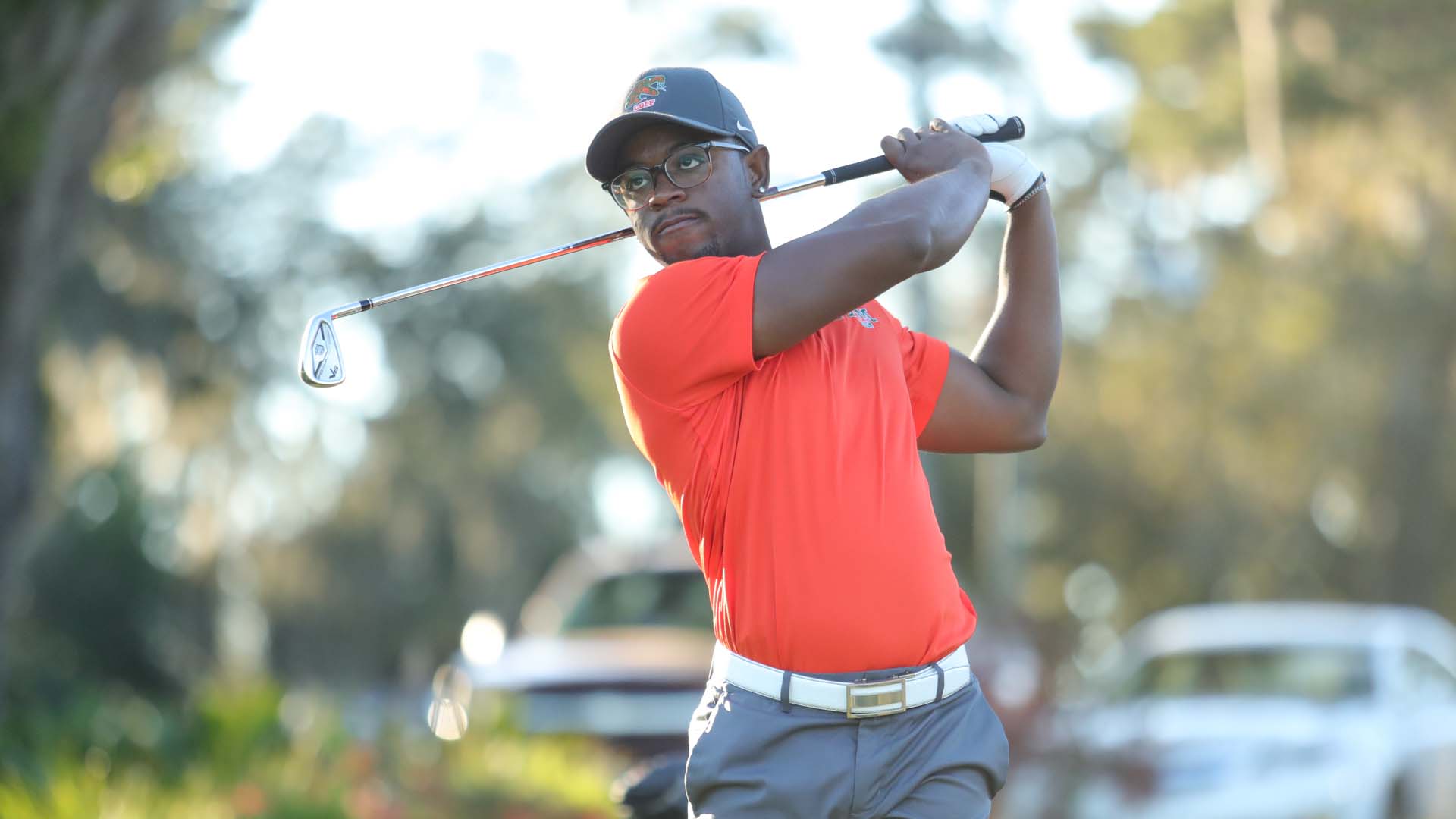 Marcellus Dillard, First Tee of Greater Chicago alumnus
Marcellus recently competed as an amateur at Torrey Pines for an event in conjunction with the PGA TOUR’s Farmers Insurance Open. The 27-hole tournament was contested on the North Course on the Saturday of the tournament. Marcellus was the only amateur to compete in the Advocates Professional Golf Association event.
Beyond the course, Marcellus is currently a junior at Florida A&M University majoring in Business Administration with a concentration in Finance. A member of the golf team, he’s had continued success in his three years. Just last month he helped lead his team to
Marcellus Dillard, First Tee of Greater Chicago alumnus
Marcellus recently competed as an amateur at Torrey Pines for an event in conjunction with the PGA TOUR’s Farmers Insurance Open. The 27-hole tournament was contested on the North Course on the Saturday of the tournament. Marcellus was the only amateur to compete in the Advocates Professional Golf Association event.
Beyond the course, Marcellus is currently a junior at Florida A&M University majoring in Business Administration with a concentration in Finance. A member of the golf team, he’s had continued success in his three years. Just last month he helped lead his team to 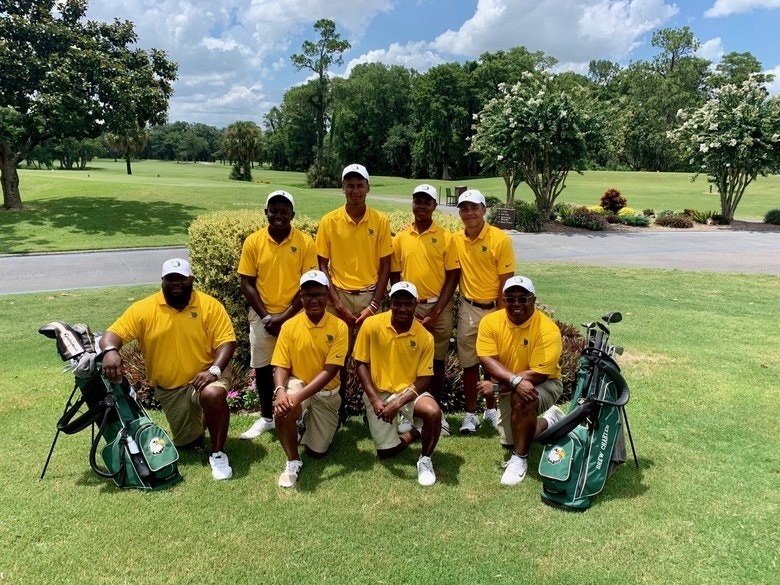 The Drew Charter School golf team made headlines last year when they became the first all-black high school team to win the Georgia state golf championship. All members of the team are also participants at the First Tee of Metro Atlanta, and two of the coaches, Head Coach Jeff Dunovant and Assistant Coach Nyre Williams, are actively involved at the chapter serving as Director of Golf Operations and Program Director.
The team took the country by storm, garnering national attention by some prominent athletes. The team was celebrated by PGA TOUR professional
The Drew Charter School golf team made headlines last year when they became the first all-black high school team to win the Georgia state golf championship. All members of the team are also participants at the First Tee of Metro Atlanta, and two of the coaches, Head Coach Jeff Dunovant and Assistant Coach Nyre Williams, are actively involved at the chapter serving as Director of Golf Operations and Program Director.
The team took the country by storm, garnering national attention by some prominent athletes. The team was celebrated by PGA TOUR professional 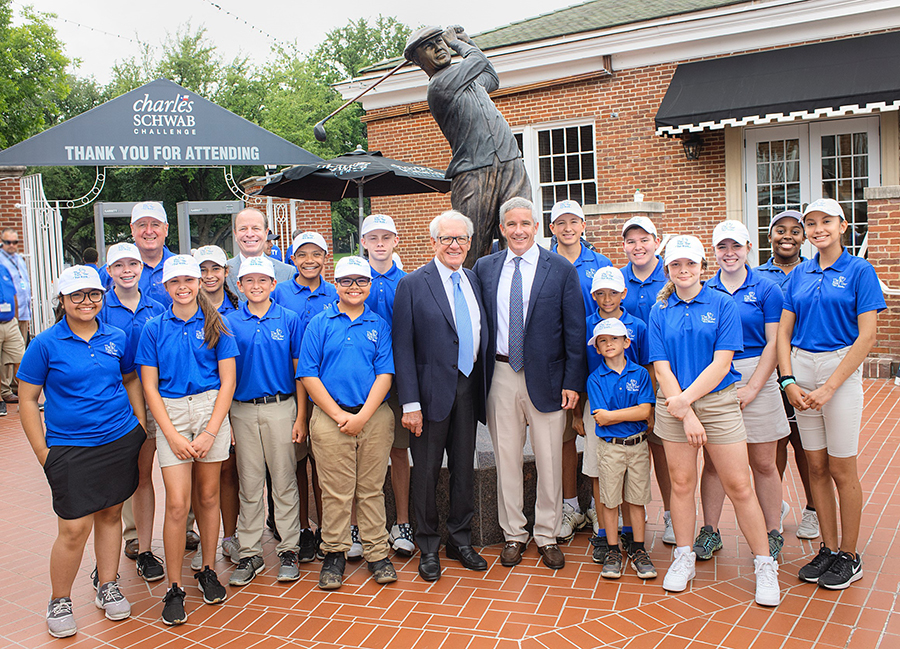 Former PGA TOUR Commissioner Tim Finchem led the efforts to launch First Tee in 1997 and Monahan now continues that tradition, committing the resources of PGA TOUR’s global platform to further lift its mission. Commissioner Monahan and Former Commissioner Finchem currently serve as Chairman and Vice Chairman of First Tee.
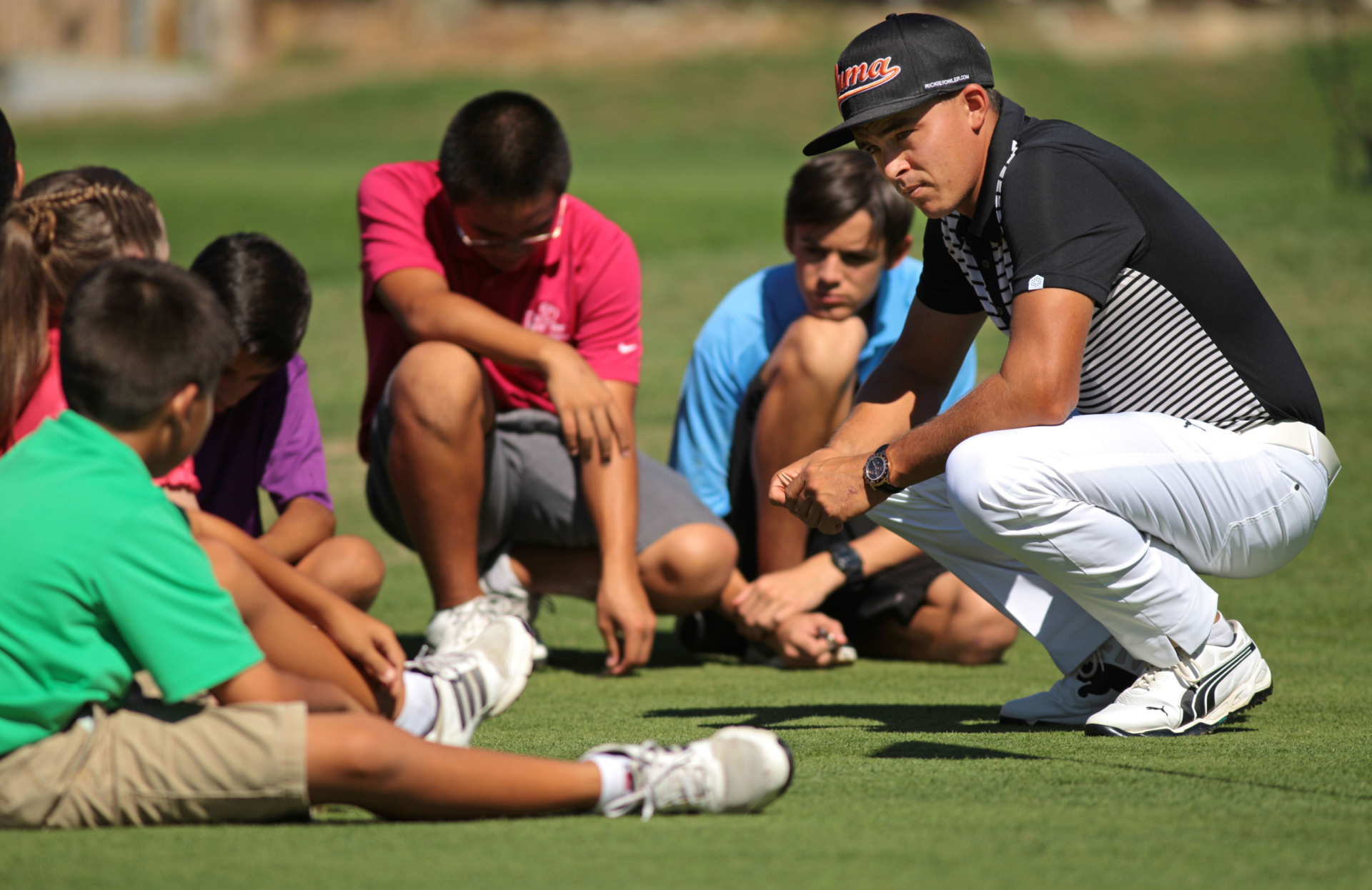 If you’ve ever tuned in to a PGA TOUR tournament, you may have seen one of our PSAs with Rickie Fowler, Sergio Garcia, Jimmy Walker or Scott Langley. Thanks to the PGA TOUR our message of impacting young people with programs that help build their strength of character through the game of golf has been seen by audiences nation-wide.
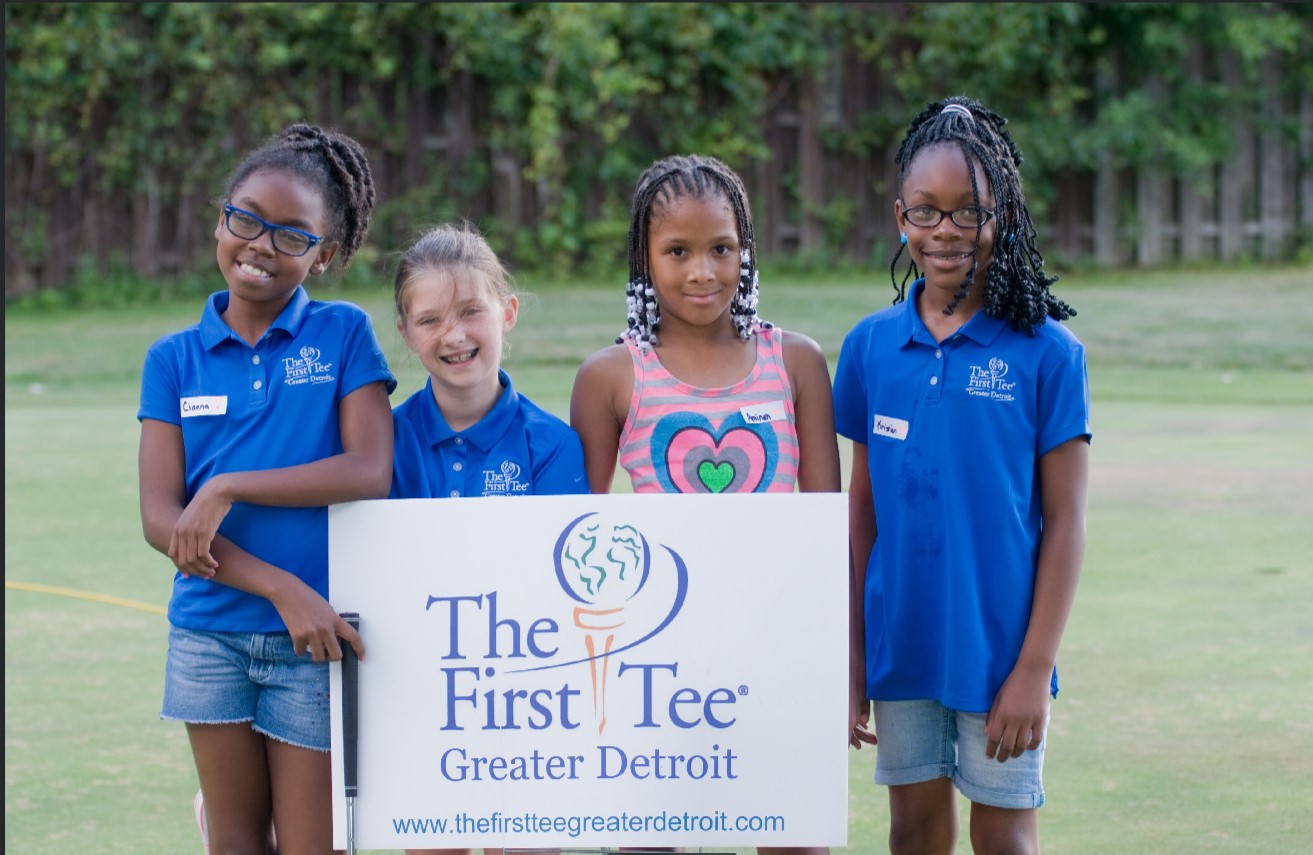 With more than 150 First Tee chapters, many of the PGA TOUR tournaments across the country and world are directly
 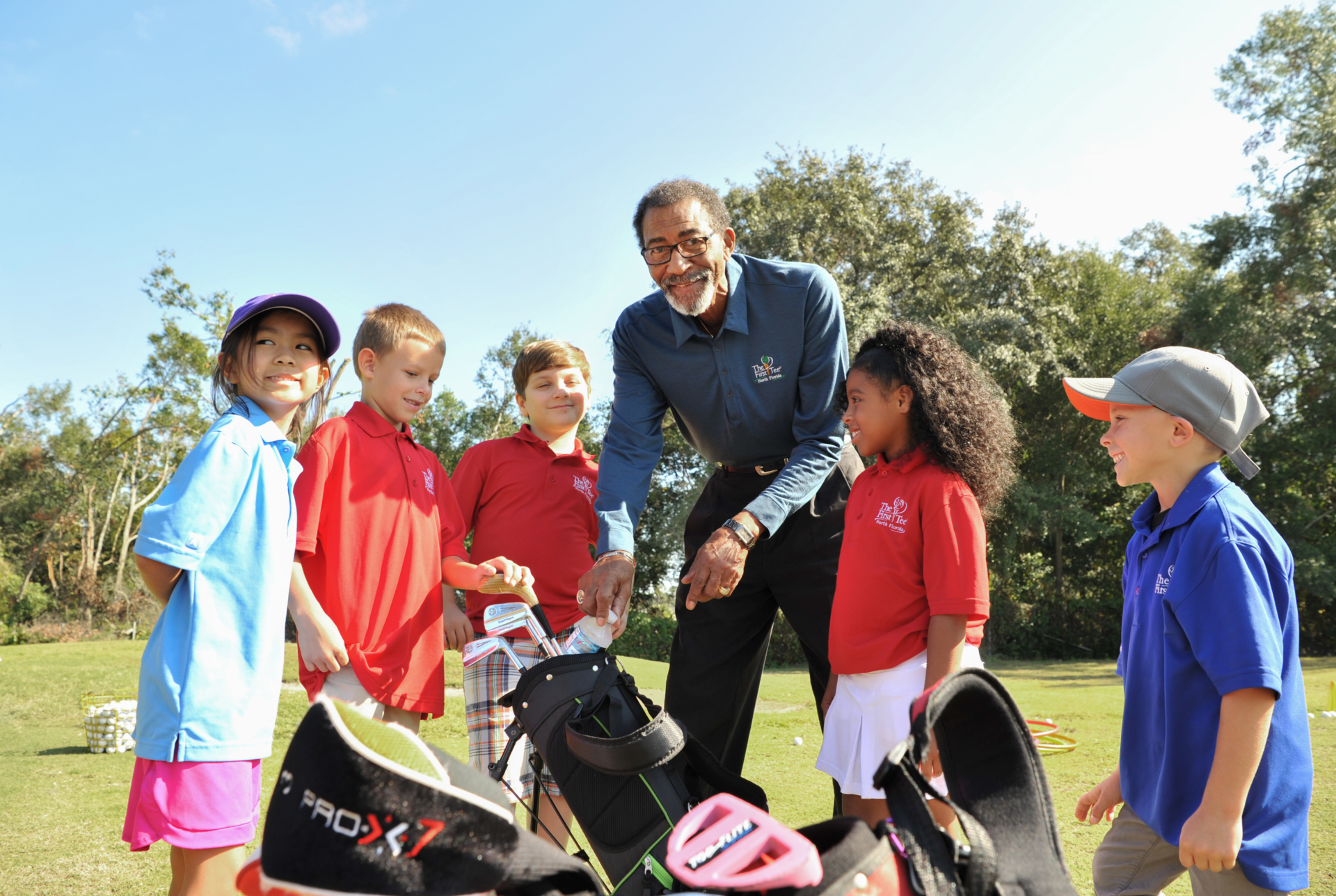 Mentors can play a critical role in building the confidence of a young person and helping them feel empowered to pursue their goals. But mentoring relationships go beyond that. They are a shared opportunity for learning and growth. Mentoring not only greatly benefits the person you are teaching, but the experience will also have a positive impact on your life.
During
Mentors can play a critical role in building the confidence of a young person and helping them feel empowered to pursue their goals. But mentoring relationships go beyond that. They are a shared opportunity for learning and growth. Mentoring not only greatly benefits the person you are teaching, but the experience will also have a positive impact on your life.
During